 |
| Photo by Phil Plait |
 |
| copyright Mark D. Phillips |
Under ordinary circumstances, apophenia provides a psychological explanation for many delusions based on sense perception. For example, it explains many UFO sightings, as well as the hearing of sinister messages on records played backwards. Pareidolia explains Elvis, Bigfoot, and Loch Ness Monster sightings. Pareidolia and apophenia explain numerous religious apparitions and visions. And they explain why some people see a face or a building in a photograph of the Cydonia region of Mars.
Under clinical circumstances, some psychologists encourage pareidolia and apophenia as a means to understanding a patient, e.g., the Rorschach ink blot test.
According to Peter Brugger of the Department of Neurology, University Hospital, Zurich, "The propensity to see connections between seemingly unrelated objects or ideas most closely links psychosis to creativity ... apophenia and creativity may even be seen as two sides of the same coin." Some of the most creative people in the world, then, must be psychoanalysts and therapists who use projective tests like the Rorschach test or who see patterns of child abuse behind every emotional problem. Brugger notes that one analyst thought he had support for Freud's notion of penis envy because more females than males failed to return their pencils after a test. Another spent nine pages in a prestigious journal describing how sidewalk cracks are vaginas and feet are penises, and the old saw about not stepping on cracks is actually a warning to stay away from the female sex organ.
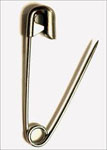
Soon after his son committed suicide, Episcopalian Bishop James A. Pike (1913-1969) began seeing meaningful messages in such things as a stopped clock, the angle of an open safety pin, and the angle formed by two postcards lying on the floor. He thought they were conveying the time his son had shot himself (Christopher 1975: 139).
Brugger gives examples of pareidolia and apophenia from August Strindberg's Occult Diary, the playwright's own account of his psychotic break:
He saw "two insignia of witches, the goat's horn and the besom" in a rock and wondered "what demon it was who had put [them] ... just there and in my way on this particular morning." A building then looked like an oven and he thought of Dante's Inferno.Brugger's research indicates that high levels of dopamine affect the propensity to find meaning, patterns, and significance where there is none, and that this propensity is related to a tendency to believe in the paranormal.
He sees sticks on the ground and sees them as forming Greek letters which he interprets to be the abbreviation of a man's name and feels he now knows that this man is the one who is persecuting him. He sees sticks on the bottom of a chest and is sure they form a pentagram.
He sees tiny hands in prayer when he looks at a walnut under a microscope and it "filled me with horror."
His crumpled pillow looks "like a marble head in the style of Michelangelo." Strindberg comments that "these occurrences could not be regarded as accidental, for on some days the pillow presented the appearance of horrible monsters, of Gothic gargoyles, of dragons, and one night ... I was greeted by the Evil One himself...."
In statistics, apophenia is called a Type I error, seeing patterns where there are none. It is highly probable that the apparent significance of many unusual experiences and phenomena are due to apophenia and pareidolia, e.g., ghosts and hauntings, EVP, numerology, the Bible code, most forms of divination, the prophecies of Nostradamus, remote viewing, and a host of other paranormal and supernatural experiences and phenomena.
One particular area where apophenia plays a significant role is in the subjective validation that occurs in a cold reading by an alleged psychic, astrologer, palm reader, tarot reader, or medium. Readers throw out words and expressions, sitters find meaning and significance in them. Even if the words are random and impersonal, sitters strive to find personal meaning in them.
It is well known that apophenia and pareidolia are related to the human instinct to see patterns and find meaning; both are rooted in our evolutionary history. Our species has stupendous pattern-recognition abilities, so stupendous, in fact, that we often see patterns where there are none. We've evolved to find meaning in patterns and infer causal relationships from coincidences. "Our understanding of our world is systematically biased to perceive meaning rather than randomness and to infer cause rather than coincidence. And we are usually completely unaware of these biases" (Chabris and Simons, The Invisible Gorilla). Consider how automatic some of these brain processes are:
….visual areas of your brain can be activated by images that only vaguely resemble what they're tuned for. In just one-fifth of a second, your brain can distinguish a face from other objects like chairs or cars. In just an instant more, your brain can distinguish objects that look a bit like faces, such as a parking meter or a three-prong outlet, from other objects like chairs. Seeing objects that resemble faces induces activity in a brain area called the fusiform gyrus that is highly sensitive to real faces. In other words, almost immediately after you see an object that looks anything like a face, your brain treats it like a face and processes it differently than other objects. (Chabris and Simons, The Invisible Gorilla)Add a little religious or political zeal to the brain's natural disposition to recognize faces in just about anything with a shape and a few shadows and you've got the recipe for a dozen tortillas with the "face of Jesus" imprinted on them or a single toasted cheese sandwich that reminds people of President Obama.
It seems likely that our associations of shapes, lines, and shadows are related to our current desires, interests, hopes, and obsessions, even though associative thinking is rooted in our evolutionary history. Most people recognize illusions for what they are, but some become fixated on the reality of their perception and turn an illusion into a delusion. A little bit of critical thinking, however, should convince most reasonable people that a potato that looks like the Hindu god Ganesh, a cinnamon bun that looks like mother Teresa, or a burnt area on a tortilla that looks like Jesus are accidents and without significance. It is more likely that the Virgin Mary one sees in the reflection of a mirror or on the floor of an apartment complex or in the clouds has been generated from one's own imagination than that a person who has been dead for 2,000 years should manifest herself in such a mundane and useless fashion.
Since most of us are innumerate, we often find significance in purely coincidental events. If you think of all the pairs of things that can happen in a person's lifetime and add to that our versatility at finding meaningful connections between things in ambiguous situations, it seems likely that most of us will experience many meaningful coincidences, but we are the ones who give them meaning. Given the fact that there are billions of people and the possible number of meaningful coincidences is millions of billions, it is inevitable that many people will experience some very weird and uncanny coincidences every day. Put another way, with a large enough sample size, just about any possible weird coincidence will happen. This is sometimes called the law of truly large numbers. Those who believe that these meaningless coincidences are truly meaningful call it synchronicity, an expression coined by Carl Jung.
further reading
Brugger, Peter. 2001. "From Haunted Brain to Haunted Science: A Cognitive Neuroscience View of Paranormal and Pseudoscientific Thought," Hauntings and Poltergeists: Multidisciplinary Perspectives, edited by J. Houran and R. Lange. McFarland & Company, Inc. Publishers.
Chabris, Christopher and Daniel Simons. 2010. The Invisible Gorilla: And Other Ways Our Intuitions Deceive Us. Crown.
Christopher, Milbourne. 1975. Mediums, Mystics & the Occult. Thomas Y. Crowell Co.
Leonard, Dirk M.A. and Peter Brugger, Ph.D. 1998. "Creative, Paranormal, and Delusional Thought: A Consequence of Right Hemisphere Semantic Activation?" Neuropsychiatry, Neuropsychology, and Behavioral Neurology, Vol. 11, No. 4 pp. 177-183.
Reed, Graham. 1988. The Psychology of Anomalous Experience : A Cognitive Approach. Prometheus Books.
Sagan, Carl. 1995. The Demon-Haunted World - Science as a Candle in the Dark. Random House.
Schick, Jr., Theodore and Lewis Vaughn. 2010. How to Think About Weird Things. Mayfield Publishing Company.
Zusne, Leonard and Warren Jones. 1990. Anomalistic Psychology: A Study of Magical Thinking 2nd edition. Lawrence Erlbaum Assoc.

Cool
ReplyDeleteSo his remedy will cure my terribly painful bone cancer and make my penis huge? Please respond quickly as the doctors only gave me 3 weeks to live and my penis is incredibly small.
DeleteI am here to testify about a great herbal spell caster called Dr.ezomo who
Deletehelped me cure my HERPES SIMPLEX VIRUS . I was infected with HERPES SIMPLEX
VIRUS in 2015, i went to many hospitals for cure but there was no solution,
so I was thinking how can I get a solution out so that my body can be okay.
So One day I went on line on the Internet to know more clue about the
Herpes Simplex Virus i came across a review of a lady saying that she got
her Herpes Simplex Virus cured by A great herbal spell caster Called Dr.
ezomo. And she also went as far to drop an email address and including Dr.
Ezomo telephone number and advise anyone to contact Dr. ezomo for any kind
of help. So i gave a try by contacting him . his email and explain my
problem to him. He told me all the things I need to do and also give me
instructions to take, which I followed properly. Before I knew what is
happening after two weeks the HERPES SIMPLEX VIRUS that was in my body got
vanished . so if you are also heart broken by any deadly diseases like
HERPES, HIV, shingles, low sperm count, HPV, Cancer, Hepatitis B, etc this
great man is extremely the best in which I have seen and applauds and if
you also need a help in curing any kind of disease, you can also email him
via: dr.ezomorootandherbals@gmail.com or whapps number +2349069171173
He can also cure so many sickness
Hello everyone out there, I'm here to give my testimony about a herbalist doctor who helped me. I was infected with HERPES SIMPLEX VIRUS in 2011, I went to many hospitals to heal myself but there was no solution, so I was thinking how I can get a solution so that my body can be well. One day I was in the river thinking about where I can go to get a solution. so a lady walked towards me telling me why I'm so sad and I open everything by telling her my problem, she told me she could help me, she introduced me to a doctor who uses herbal medicines to cure the SIMPLEX HERPES VIRUS and gave me his website link , so I sent i visited his website link http://drharryherbaltempl.wixsite.com/solutiontemple he got back to me and He told me everything I needed to do .he later send me the medicine through UPS and i got it within 3/5 days and also gave me instructions to take, which I followed correctly. Before I knew what was happening after two weeks, the SIMPLEX HERPES VIRUS that was in my body disappeared. therefore, if you also have a broken heart and need help, you can also send an email to { drharrysolution@gmail.com }or whatsapp him on his mobile number: +2349036417079 or website http://drharryherbaltempl.wixsite.com/solutiontemple
DeleteContact him today and he will have a testimony ... Good luck!
Dr. HARRY also cures:
1. HIV / AIDS
2. HERPES 1/2
3. CANCER
4. ALS (Lou Gehrig's disease)
5. Hepatitis B
6. chronic pancreatic
7. emphysema
8. COPD (chronic obstructive pulmonary disease)
9.penis enlargement
10.premature ejaculation
11. erectile dysfunction
12. low sperm count
hello everyone i have been having sexual battles with my wife in my marriage because of my small penis and it was really so embarrassing imagine a grown up man of 39 years old having a small dick…i could not satisfy her and she threatened to cheat on me if i do not find a way..i searched for cure and results but none of them avail..i even used online pills,vaccines,drugs,herbal herbs but still no result so i was about going penis Surgery when i read about this great herbalist called Dr harry ..i quickly message him on his website link https://drharryherbaltempl.wixsite.com/solutiontemple and he got back to me within 30 mins and told me all i need to do ,,i followed all his instructions and he sent down his herbal cream through UPS SERVICE to me and gave me instruction on how to apply it and within two weeks i was Beginning to feel myself …i now measure 10.5 inches long in erection and 8.0 girth fat …my wife is so proud and happy with me now..All thanks to DR HARRY for saving my marriage ..i am 100% grateful to you sir .NOTE he also have herbal remedies to problems like
Delete1.LOW SPERM COUNT
2.PREMATURE EJACULATION
3.ERECTILE DYSFUNCTION
4.DIABETES CURE
5.HIV/AIDS CURE
6.CANCER CURE
7.GENITAL HERPES CURE
8.STROKE
9.HEART FAILURE
so if you are out there and need such help please contact him on drharrysolution@gmail.com or visit his website http://drharryherbaltempl.wixsite.com/solutiontemple you can Whatsapp him on +2349036417079 thanks so much for enlarging my penis
hello my brothers and friends. My name is ALEX FINN from USA and i want use this opportunity to share a wonderful testimony of DR HARRY who saved from shame and disgrace.
Deletei have been married to my wife for the past 5 year and we were a happy family but trouble started when my sex life was now very poor, imagine a man of 47 old with a 3 inches penis and i do not last in bed more 4 minutes. it was real frustrating me because my wife was always complaining that i do not satisfy her anymore with my small penis and premature ejaculation problem.
i have a tried and use all kinds of product both hospital and herbal medicine but none gave me the result i was looking for.
it was really killing me slowly because my wife has threaten to file for a divorce and i love my wife so much that i cannot live without her/
i kept on searching and look for a solution everyday but there was a day i came across a testimony of MANE BERNARD from FRANCE testifying on how DR HARRY enlarged his penis size from 2 inches to 9.5 inches within two week of using his herbal liquid and cream. well i decided to give a try by contacting him through his website link https://drharryherbaltempl.wixsite.com/solutiontemple He replied and gave me a very comfortable words also told me what to do, which i did as instructed by him and it was only one week of using his herbal liquid and cream that he sent to me through UPS delivery service, my penis has enlarged to 5 inches and it was completing two weeks of treatment my penis was 10 inches with a very large round also my wife is always crying during sex with her saying that i am killing her with my big penis and she loves me more than anything'
i last more than 30 minutes in sex or bed with my wife. i am so happy to share my story with my friends online
so if you are having such issues then you have nothing to worry about also you can contact DR HARRY on his email drharrysolution@gmail.com or visit web site link https://drharryherbaltempl.wixsite.com/solutiontemple you can call/whatsapp him +2349036417079
THANKS
I am one of those people who said, “I’ll never call a psychic or a magician or whatever” to help me with my problems – least of all my love problems, but I reached the point where I knew I needed some guidance, and I’m so glad I found this man called dr.ajeghe. When I nearly lost David in one of our stupid,fights (he broke up with me), I thought I had lost everything.i cry all day and think that he will never come back to me again.i read so many testimony about Dr. ajeghe love spell,how he help to bring back ex lover back.I quickly email him.and also get back my husband with his love spell. And when I was at my most desperate,he didn’t take advantage of me. You performed a very good service for a person in true need. I don’t know how you did it, or how this magic works, but all I know is, IT WORKS!! David my husband and I are happily back together, and I’ll always be grateful to dr.ajeghe email him for any kinds of help is very capable and reliable for help ajeghespelltemple@gmail.com or WhatsApp him +2349069171173
DeleteWHAT A GREAT MIRACLE THAT I HAVE EVER SEE IN MY LIFE. My names are Robert Mary
DeleteI’m a citizen of United Kingdom, My younger sister was Sicking of
breast cancer and her name is Robert Jane, I and my family have taking
her to all kind of hospital in UK still yet no good result. I decided
to go to the internet and search for cancer cure so that was how I
find a lady called Sarah peter she was testifies to the world about
the goodness of a herbal man who has the root and half to cure all
kind of disease and the herbal email was there. So I decided to
contact the herbal man for my younger sister help to cure her breast
cancer. I contacted him and told him my problem he told me that I
should not worry that my sister cancer will be cure, he told me that
there is a medicine that he is going to give me that I will cook it
and give it to my sister to drink for one week, so I ask how can I
receive the cure that I am in UK, he told me
That I will pay for the delivery service. The courier service can
transport it to me so he told me the amount I will pay, so my dad paid
for the delivery fee. two days later I receive the cure from the
courier service so I used it as the herbal man instructed me to,
before the week complete my sister cancer was healed and it was like a
dream to me not knowing that it was physical I and my family were very
happy about the miracle of Doctor so my dad wanted to pay him 5
million us dollars the herbal man did not accept the offer from my dad,but I don't know why he did not accept the offer,he only said
I should tell the world about him and his miracle he perform so am now
here to tell the world about him if you or your relative is having any
kind of disease that you can't get from the hospital please contact
Dr.ogididanspelltemple@gmail.com or WhatsApp him +2347067393105, website:> drogididherbalhome.wordpress.com message him on instragram dr.ogididan for the cure, he will help you out
with any problems you have.To get more information you can message me via email robertmary8947@gmail.com
DeleteAm jeremiah, I am testifying about a great hebal man that cured my wife of hepatitis B and liver cirhosis. his name is Dr oniha. My wife was diagnose of hepatities two years ago, i almost spent all i had then, until i saw dr oniha recommendation online, and i call him, then he told me how to get the herb. You can call him on +2347089275769 or email him at dronihaspell@yahoo.com
hello everyone i am Shravan Chakrapani from India but base in USA /Texas i want to share a testimony of how Dr.HARRY herbal mixture cream saves me from shame and disgrace, my penis was a big problem to me as the size was really so embarrassing,and i was also having weak erection problem. I can't make love to my wife and my penis was just too small imagine a full grown up man like me having 2.5 inches penis and to worsen it i don't last in sex i cant even last two minutes it was really a thing of shame to me. My wife was really tired of me because my sex life was very poor,she never enjoyed sex,i was always thinking and searching for solutions everywhere until saw a testimony of how DR HARRY herbal mixture cream have been helping people regarding their sex life, so i decided to give him a try and visited his website https://drharryherbaltempl.wixsite.com/solutiontemple and he told me what to do and he sent me the herbal mixture cream and i used it for some weeks to my greatest surprise in less than 3 weeks of taking the herbs my penis grow to 8 inches i couldn't believe my eyes and as i speak now my penis is now 10.5 inches and i do not have weak erection again. I can make love to my wife longer in bed. And my marriage is now stable,my wife now enjoy sex with me very well in bed. you can contact him on his email drharrysolution@gmail.com or call and whatsapp him through +2349036417079 . .he also specialize on the following things
DeleteBREAST ENLARGEMENT
BREAST LIFT & REDUCTION
PENILE/PENIS ENLARGEMENT
GENERAL BODY SLIMMING
HIPS & THIGH REDUCTION
REGAIN VIRGINITY BACK
Thanks for the Enlarging my penis sir, you indeed save my marriage...I am really grateful sir ..God bless you as you contact him
Am Hellen, thanks to Dr oniha who cured me of fallopian tube blockage and fibroid with his herbal tuber cleanser. My marriage was on the verge of collapsing, because I was unable to bear a child for my husband. Until I came across Dr ONIHA's recommendation onLine,of how he has helped numerous of childless couples to have children with the help of his wonderful herbal medication, and I contacted him. And he administered his herbs on me.within the space of two months, i became pregnant, I now have a child I can call my own. In case you want to contact him for a similar problem, or all other infertilty issues, you can reach him through his email:
DeleteDRONIHASPELL@YAHOO.COM or call him on +2347089275769
AM SANDRA FROM CANADA, THANKS TO DR ONIHA WHO HELP ME BRING MY HUSBAND BACK, MY HUSBAND LEFT ME WITH THREE KIDS, FOR ANOTHER YOUNG GIRL, FOR OVER TWO YEARS, I TRIED ALL I COULD TO SETTLED OUR DIFFRENCES, BUT IT YIELDED NO RESULT, I WAS THE ONE TAKING CARE OF THE CHILDREN ALONE, UNTIL ONE DAY, I CAME IN CONTACT WITH SOME ARTICLES ONLINE, CONTAINING HOW DR ONIHA HAS HELP SO MANY LOVERS AND FAMILY REUNION AND REUNIT AGAIN, AND I DECIDED TO CONTACT HIM, AND HE CAST HIS SPELL ON MY HUSBAND, WITHIN FIVE DAYS, MY HUSBAND RAN BACK HOME, AND WAS BEGGING ME AND THE KIDS FOR FORGIVENESS, IN CASE YOU ARE PASSING THROUGH SIMILAR PROBLEMS, AND YOU WANTS TO CONTACT DR ONIHA, YOU CAN REACH HIM VIA HIS CONTACT NUMBER, ON CALL OR WHATSAP +2347089275769 OR EMAIL DRONIHASPELL@YAHOO.COM
DeleteThis comment has been removed by the author.
ReplyDeleteThis comment has been removed by the author.
ReplyDeletethere is an excellent paper online i will put the link to it, it speaks of apophenia and gives a good defenition of it. most smart people don't understand, the phenomona, includes music, poker, art, anything that anyone does, visual art and so forth. the patterns are there. no mistaking that. Abstract:
ReplyDeleteDespite popular perception, the pixel, the smallest visible element
used in digital expression, actually has a history that goes farther back
than most of us realize. Although, contemporary generative art has
evolved from the coalescence of artistic practices and technology, it is
the added innate function of the human brain to form meaningful
imagery from a variety of visual stimuli that has provided the primary
environment in which the pixel is employed.
Though a pixel can be viewed merely as a container for smaller digital
elements (for example RGB color values), it is the smallest visible
component a viewer interacts with in the digital world. It is the role of
the pixels in a collection to provide the viewer with the necessary
information required to create a meaningful image. The human brain
has an incredible capacity to link, reference, and formulate meaningful
structures from visual information even where the stimuli is limited,
selective, random or meaningless. This is a phenomenon known as
apophenia.
Utilizing apophenia as the vehicle for exploration, this paper will trace
the trajectory of pixel evolution from Bronze Age Mesopotamia (~1500
BC) through the early 20th century. The purpose of this investigation
is to not only establish the greater history of the pixel in image
construction, but to provide a greater context for understanding the
inherent modes of human perception and how these ideas interact
with, inform, and alter our experiences with works of generative art.
http://www.generativeart.com/ga2013xWEB/proceedings1/12.pdf
The atrocious grammar of the preamble was full of deliberate symbols and messages. The other possible explanation is that my dopamine levels are spiking.
DeleteFantastic
DeleteHello everyone , i am here to give my testimony about a spell caster called Dr harry , I was heartbroken because i had very small penis, not big enough to satisfy a woman, i have been in so many relationship, but cut off because of my small penis situation, i have used so many product,drugs,penis pump,stretcher which doctors prescribe for me, but none could offer me the help i searched for. One glorious day when i saw some few comments on the internet about this spell caster called Dr harry and i decided to email him on his email i saw on the internet,(drharrysolution@gmail.com) or WEBSITE https://drharryherbaltempl.wixsite.com/solutiontemple so I decided to give his herbal product a try. i emailed him and he got back to me, he gave me some comforting words with his herbal pills for Penis Enlargement, Within 3 week of it, i began to feel the enlargement of my penis, " and now it just 4 weeks of using his products my penis is about 10 inches longer in erection, and i had to settle out with my Ex girlfriend ALICIA , i was surprised when she said that she is satisfied with my sex and i have got a large penis.Am so happy, thanks to Dr harry I also learn that Dr harry also help with (1)Breast Enlargement Hips and Bums Enlargement,(2)DIABETES TYPE 1 AND 2 cure,(3)HERPES(4) HIV/AIDS CURE (5) WEAK ERECTION (6)ERECTILE DYSFUNCTION(ED) (7)LOW SPERM COUNT (8)CANCER (9)PILE (10)EPILEPSY (11)STROKE (12)ASTHMA CURE (13) WEIGHT LOSS AND BOILS (14) CORD (15) GENITAL WARTS and so many more contact him now
Deletedrharrysolution@gmail.com
https://drharryherbaltempl.wixsite.com/solutiontemple or whatsapp him on +2349036417079 thanks
I’m MARY JOHNSON, I contracted HIV in 2011, I was told by my doctor that there’s no possible cure for HIV. I started taking my ARV’s, My CD4 was 77 and viral load was 112,450. I saw a website of Dr.OSO, also I saw a lot of testimonials about him on how he uses herbal medicine to cure HIV. I contacted him and told him my problems, He sent me the herbal medicine and I took it for 7 days after then I went for check-up and I was cured. The medicine has NO SIDE EFFECT, there’s no special diet when taking the medicine. He also cure ALS, HEPATITIS B, CANCER, HERPES and lots more. You can reach him on drosohaberhome@gmail.com or .call/Whats-app +2348162084839.. here is the dr website.
Deletehttps://sites.google.com/view/drosohaberhome/
His blog page https://drosohaberhome.blogspot.com
you can also email me for more info about DR oso via maryjohnson9700@gmail.com.,
The classic Chiropractic Subluxation!
ReplyDeleteI don't understand how your comment relates to the article at all, however it provided a very wonderful example of apophenia. I spend a good deal of time laying on my bed, head propped up with pillows while on my laptop. This has led to the development of what i previously thought was TMJ. But, after googling chiropractic subluxation, i'm pretty sure that's the cause. Coincidence, or divine message? The world may never know.
DeleteMy rudimentary understanding of Schrodinger's theory would say that it is both until the observer sees one (Coincidence) or the other (divine message).
DeleteWas this just a lame attempt at meaningful coincidence invoking a requirement for more apophenia?
yes
Simple way of discrediting those that can see further and anyone that opposes the occult nature and sorcery of those that rule behind the curtains. Its not mental illness-The pineal gland is simply healthy and not calcified and atrophied like the majority.
ReplyDeleteWelcome to Oz bitches
Whatever you think, it's more than that...
DeleteSome meanings are imbued by doomed impetus, having obfuscated subsumation.
It's called localized sub-optimization...but they don't teach that in mystery skool...
how I was cured from HIV while this may sound discouraging and people may not be-live that HIV cure has be found,while i was once an HIV positive i live with this disease for more than years now, i have been to so many places for help including hospitals wasted money and times hoping that i was going to get cure but nor was able, until God use someone to cure me from this disease (HIV) true the help of a man called Dr osemu with his herbal root herbs medicine. while i don’t have much to say but to give thanks and praise to God almighty who use Sir Dr osemu to extend my life for what you have done for me DR, i will not stop thanking you because you put a smile on my face again,thanks once again if you are into similar problem or with any kind of diseases you can contact Sir Dr osemu on his mail drosemusolutionhome@gmail.com or call him or whatsapp on +2349073889037 and i will not stop thanking you DR osemu for what you have done for me in my life, i will keep posting to the world for them to no that you are in existence , thanks for your audience and i hope you find help like i did for what he has done for me, if you are into similar problem like HERPES,CANCER,DIABETICS.do not waste time to contact him now his WhatsApp +2349073889037 and his email drosemusolutionhome@gmail.com
DeleteI believed God has sent dr abaka to help people out from this horrible virus. i was diagnosis with herpes for 8 years, few months ago a friend introduced me to dr abaka and i only took his natural treatment for a week & 3 days, and i totally got cured with his herbal treatment. if you are suffering from any kind of virus herpes, you don't have to be roaming round dr abaka email is been attached to contact him. drabakaspelltemple@gmail.com or call/whats app +2349063230051.
DeleteAren't you going overboard? They're just trying to say that if you see an image of Mary on a piece of toast most likely it isn't. Nothing about occult mumbo jumbo.
ReplyDeleteI found this article searching to understand why a good friend is marketing his NEW DISCOVERY in the pyramid walls. He finds lines in poor quality low resolution photos and draws numerous pictures of aliens, Egyptians, prophets, Jesus, God, animals, etc. and states the claim the images have been supernaturally put there. He goes on that they give messages about he past and present. I know him very well and I know he has the ability as a cartoonist to draw anything he wants. He also has a music matrix that he says revolutionizes music. I am a trained musician and I know he has never seen pyramid walls in person. I am trying to understand what is going on with him pychologically. This helps me to understand.
ReplyDeleteheya, can you tell me the name of our friend s art pages or something? it would be cool to check out the pareidolia drawings if he has any. If you know anything more about pareidolia and drawing please mention it :P.
Deletethanks
My brother man,, if someone sees the face of my man J.C on their tortilla or a animals head on their toasted cheese sandwich,,,it has nothing to do with you internally or externally... Mans defects include the following...Complicating the sht out of everything, if you have a complex and a big question,, well then it must have a big answer with many parts and alot of big words so nobody knows what the hell the person is saying;; The truth is the best minds this planet has are literally just talking out of their ass...and when their done they must point out my poor sentence structure and mis spellings... They just have to inform me im a complete moron because i dont know where to put a fkn period or comma...Well you see i was to frkn busy to learn all the stuff like math or physics etc.. Its a waste of time anyways.. None of it will help;; 15 billion dollars later they found the Higgs, which is pretty cool,but you could prove string theory and dark matter and how you can get something from nothing and to top it off get God on video... But all its going to do is just give you alot more questions and very unsatisfying answers if any..So all the really big questions that man has been searching for with his mad math skills..so while they were spending years in school for a phd and master here and their and proper sentence structure..I found and know the answers. I spent 40 yrs busting my brain every second of every day... And all i got was just more questions..I hadnt learned a damn thing... The answers came from the one place that nobody would fathom..And its the only true source to get answers.. Well im considered nuts and delusional and ,,well just all fukd up! So ill take what i know to the grave probably..Its sad.. people really need to know what i know.. I got all the answers i was looking for and more..but i also know some things i wish i diddnt..ID have to type for a month to give you the 411 on some things,,and hate typing..so heres a crumb..When someone sees the virgin mary on a dirty fence or Jesus in their eggs...btw if anyone saw a picture of J.C THEY WOULD HAVE NO IDEA who they were looking at...all those capitals werent for effect,, i hit the caps lock button and didnt feel like going back to correct my boggle..lol Im stupid ,nuts and now lazy..lol.. Anyways so a face on a taco shell or a wall or tears coming from a statue or painting etc etc.. what that is ...is just somebody fukn with you..either they are really bored and get a big kick out of it or they do not like you..which can be serious.. Now faces on,, say a tree trunk or a big rock way up high is something totally different.. Now faces like in the smoke from the trade center..i could explain it all but im done
ReplyDeleteThe book of Ecclesiastes is where it's at, dude. No worries. Roger that! Ten-Four Eleanor.
Delete
ReplyDeleteIt is a pleasure to testify of the good works of Dr.Voodoo in my life, few months ago I started searching online for solution to my insatiable sexual life, not been able to last long in bed made my wife cheat on me several times till I came across a testimony of (ASHLEY CLARK) on how Dr.Voodoo helped him enlarge his penis and how he could last longer then he used to after using his medicine so I summoned courage to contact him through the phone number that I got in his testimony (+2348135790702) quickly I did! Soon I got a reply from him and also words of encouragement, after which he sent me some liquid that I should use and in three weeks I could tell of the difference when ever I made love to a woman, life has been at it best ever since I meet Dr.Voodoo, his work are magnificent. You can talk with him on email (voodoospell10@gmail.com) or call (+2348135790702) for more information or whatsapp with him......
I more interested in apophenia. I think the key word in its definition is "spontaneous". As it has been often noted (see here http://forum.roulette30.com/index.php?topic=164.0) apophenia is often observed in gamblers trying to make sense in roulette or other games' outcomes. But since the gambler has a motivation in trying to understand the game I wonder if this behaviour can really be called apophenia or it is some other type of cognitive bias.
ReplyDeleteSo what would be an example of non-spontaneous perception of connections?
Quasi-scientific application of exhaustive statistics (all kept in the head) to place the bet of a lifetime in spite of the reality that the house always wins. That's the real pattern.
DeleteThis blog is awesome and very informative keep Sharing this type of blog.
ReplyDeleteทางบ้าน
I see uuuuuuu.....
ReplyDeleteI can see that you are an professional at your discipline! i am launching a website quickly. and your facts may be very beneficial for me.. thanks for all your help and wishing you all of the fulfillment on your commercial enterprise. Gmod game
ReplyDeleteArchaeological Academia has adopted "pareidolia" as the number two end all be all of archaeological skepticisms. Number one is "naturally occurring". Both are complacently used to explain away what is not understood. "Naturally occurring" is much the same as saying, "anything can happen", especially when their claim is without a comparison model. In this day and age it is likely possible to recreate ANY natural forces which can be credited for a given anomaly, in a controlled environment. Turbulent water delivery system is a common claim as well as steam roll or potlid effect are blamed for what appears to be percussion flake scaring yet the very first identifier of a stone tool is flake scaring. Percussion flaking requires velocities of 600 - 1000 m/s for obsidian. This cannot happen in water. Steam roll or potlid effect produces round "pot lids" to pop away from the surface leaving round cratering. Therefore neither natural force can be responsible. So mere speculation, is being sold as scientific knowledge . Pareidolia by definition would be the perception of facial imagery derived from "Random" patterns. What.is meant by random? What are the odds of predictability? For every perceived facial 1/2 profile, one eye, one nose and horizontal representation of a mouth. For every full frontal facial image, two eyes, one nose and horizontal representation of a mouth, all in proper position top to bottom, eye(s), nose, mouth. Is this random? Do 100 percent of non-archaeological people polled who see the same imagery suffer from pareidolia?/
ReplyDeletePlease check out my YouTube video " Redneck Archaeology-Faces of Stone" and weigh in. Random pattern produced pareidolia or actual patterns produced by man? The largest collection you will ever see! More videos coming soon with much more revealed!
Thanks!
Creating a blog can appear difficult for many people, even though for some individuals it's an simple process. Nevertheless, a very important factor that everybody shares in common is that they are searching for ways to improve their blog and attain increased achievement.cheap shoes in Pakistan
ReplyDeleteThere actually are aliens and bigfoot so just because some people are delusional or refuse to accept the borderline unknown does not merit your using these as an example.
ReplyDeleteWhen there is a blogging site for every subject under the sun, why not one for day trading too? We have a detailed commentary on what constitutes a blog meant for day trading.Writing is an interesting art if properly crafted. The more interesting fact is that anyone can write. All you need to do is begin to write and then, your creative juices will take over.Formal Shoes
ReplyDeleteHi Robert
ReplyDeleteI'm trying to see the connection between your title - which I presume is saying the Apophenia and pareidolia are actually useful forms of creative thought - and the text you have provided. I think the premise in the title is very interesting - would love to see you speak to that.
I’ve been seeing things for a couple months now,it ,letters,numbers and drawings on my body,my wife’s body,the trees,bricks of our house. We have roots coming out the ground that I would bet both my legs that someone took the time an carved it. I understand sometimes that It is in my head but there are times it’s unbearable. It’s caused a lot of problems between me an my wife. I am having to learn to trust someone without trusting myself. In the beginning I tried so hard to get someone to understand me. The only person I had that tried was my 10 yr old son. If it wasn’t for him I don’t know what I’d do. But what gets me I’ve always been able to see shapes patterns and it was never this bad. I can just glance at the yard an stuff just looks out of place,like it was placed there on purpose. I don’t really have anyone to talk to about the things I see. My wife hardly wants to be around me,listen people,if you know someone going through this all they want is someone to listen. They don’t want to be isolated,or told they are crazy. Some days are worse than others an feeling unwanted because you have this issue sends you into a deep depression. I still get isolated sometimes,and I don’t blame her but if it’s not something you can help you shouldn’t be treated like your to blame. A little reassurance and a good listener helps so much. So don’t think this is a joke. It really does affect your life and relationships
ReplyDeleteThis comment has been removed by the author.
ReplyDeleteThere is a syndrome called Charles Bonnet syndrome where people who are visually impaired see these kinds of things and there is nothing wrong with them. It only seems fair that people who have vision can also see things. I would only be difficult for you, not others, but maybe you are just being blessed. I have seen things not there at times, it think it's amazing. I get spiritually invigorated when it happens and feel closer to God. I would pray about this and make sure you are in line with The Lord and His provision and salvation.
ReplyDeletewe feel closer to God because the Most High becomes evident beyond the shadow of illusion & delusion. the light of liberty shines ever even in the darkness. Rejoice!
DeleteMy name is JOHN ROBET am from SA I want to share a testimony of how Dr.Olu herbal mixture cream saves me from shame and disgrace, my penis was a big problem to me as the size was really so embarrassing,and i was also having weak erection problem. I can't make love to my wife and my penis was just too small a full grown man like me having 4 inches penis and to worsen it i don't last in sex i cant even last two minutes it was really a thing of shame to me. My wife was really tired of me because my sex life was very poor,she never enjoyed sex,i was always thinking and searching for solutions everywhere until when i saw a testimony of how Dr.Olu herbal mixture cream have been helping people regarding their sex life, so i decided to give him a try and to my greatest surprise in less than one week of taking the herbs my penis grow to 8 inches i couldn't believe my eyes and as i speak now my penis is now 8 inches and i do not have week erection again. I can make love to my wife longer in bed. And my marriage is now stable,my wife now enjoy me very well in bed. can contact him drolusoltionhome@gmail.com {) or call or what-apps him through +2348140654426 . .he also specialize on the following things
ReplyDeleteBREAST ENLARGEMENT
BREAST LIFT & REDUCTION
PENILE/PENIS ENLARGEMENT
GENERAL BODY SLIMMING
HIPS & THIGH REDUCTION
REGAIN VIRGINITY BACK
Thanks for the Enlarging my penis sir, you indeed save my marriage...I am really grateful sir,
My name is Promise Dickson am from Texas USA. I want to share a testimony of how Dr. OLU herbal mixture cream saves me from shame and disgrace, my penis was a big problem to me as the size was really so embarrassing,and i was also having weak erection problem. I can make love to my wife and my penis was just too small my name is Promise dickson Finch am from Texas USA. I want to share a testimony of how Dr. OLU herbal mixture cream saves me from shame and disgrace, my penis was a big problem to me as the size was really so embarrassing,and i was also having weak erection problem. I can make love to my wife and my penis was just too small a full grown man like me having 4 inches penis and to worsen it i don't last in sex i cant even last two minutes it was really a thing of shame to me. My wife was really tired of me because my sex life was very poor,she never enjoyed sex,i was always thinking and searching for solutions everywhere until when i saw a testimony of how Dr. OLU. herbal mixture cream have been helping people regarding their sex life, so i decided to give him a try and to my greatest surprise in less than two weeks of taking the herbs my penis grow to 8 inches i couldn't believe my eyes and as i speak now my penis is now 8 inches and i do not have weak erection again. I can make love to my wife longer in bed. And my marriage is now stable,my wife now enjoy me very well in bed. You can contact him via (drolusolutionhome@gmail.com) You can contact him today and get your problem solved.Call +2348140654426 .." or you can also contact him through his what-app +238140654426
ReplyDeleteHello everyone, am very happy to share this little awesome testimony about Dr OLIHA a great herbal doctor who help me enlarge my penis size from 12.2 cm to 20.4 cm longer with his herbal cream mixture, my girlfriend is now so amazed with the autonomous size of my penis , if you are also in need of help on how to enlarge your penis size to become bigger and stronger I adverse you to contact Dr OLIHA today on his email ( oliha.miraclemedicine@gmail.com ) or contact on whatsapp number +2349038382931 because he is one of the best herbal doctor that i can only show you up to, if your penis is 12.2 cm and want to get it reach 20.4 cm within three weeks i Dr OLIHA is also specialized on breast and boobs enlargement i advise you to contact him for help.
ReplyDeleteHOW DR AZIBA HELPED ME ENLARGE MY PENIS SIZE FROM 3.5 INCHES TO 11INCHES LONG AND 8.0 GROWTH
ReplyDeleteI got married 2 years ago and it just seemed that there was no excitement in my sex life. My dysfunction to perform to the best of my abilities in bed made it harder for my wife and me to have a good time during sex. And i was having the feelings that she may decide to get a divorce one day. I knew something had to be done in order to improve my sex life and to save my marriage because my marriage was already falling apart, so when i was on my Facebook page i came across a story of how Dr Aziba helped him enlarged his penis to 7ins better.so i Immediately copied the Email address of the Dr and explained to him my problem,he gave me some simply instruction which i must follow and i did easily and my friends Today, i am the happiest man on Earth, All Thanks to Dr Aziba for saving my marriage and making me a real man today.You can as well reach the Dr below for help on your problem, for he has the solution to all...
Email:[ PRIESTAZIBASOLUTIONCENTER@GMAIL COM ]
WhatsAPP DR [ :+2348100368288 ]
HOW DR AZIBA HELPED ME ENLARGE MY PENIS SIZE FROM 3.5 INCHES TO 11INCHES LONG AND 8.0 GROWTH
I got married 2 years ago and it just seemed that there was no excitement in my sex life. My dysfunction to perform to the best of my abilities in bed made it harder for my wife and me to have a good time during sex. And i was having the feelings that she may decide to get a divorce one day. I knew something had to be done in order to improve my sex life and to save my marriage because my marriage was already falling apart, so when i was on my Facebook page i came across a story of how Dr Aziba helped him enlarged his penis to 7ins better.so i Immediately copied the Email address of the Dr and explained to him my problem,he gave me some simply instruction which i must follow and i did easily and my friends Today, i am the happiest man on Earth, All Thanks to Dr Aziba for saving my marriage and making me a real man today.You can as well reach the Dr below for help on your problem, for he has the solution to all...
Email:[ PRIESTAZIBASOLUTIONCENTER@GMAIL COM ]
WhatsAPP DR [ :+2348100368288 ]
Hello viewers around the Globe, I was despondent because i had a very small penis, about 3.5 inches soft and 4 inches hard not nice enough to satisfy a woman, i have been in so many relationship, but cut off because of my situation, i have used so many product which doctors prescribe for me, but none could offer me the help i searched for. i saw some few comments on the internet about this specialist called Dr, MOSES B U B A and i decided to contact him on his email i saw on the internet buba.herbalmiraclemedicine@gmail.com so I decided to give his herbal product a try. i emailed him and he got back to me, he gave me some comforting words with his herbal pills for Penis Enlargement, Within 3 week of it, i began to feel the enlargement of my penis, " and now it just 4 weeks of using his products my penis is about 9 inches longer, and i had to settle out with my Ex girlfriend Jane, i was surprised when she said that she is satisfied with my sex and i have got a large penis. Am so happy, thanks to Dr MOSES B U B A I also learn that Dr MOSES B U B A also help with Breast Enlargement Hips and Bums Enlargement etc.. If you are in any situation with a little Penis, weak ejaculation, small breast_hips_bums do get to Dr MOSES B U B A now for help on his email ( buba.herbalmiraclemedicine@gmail.com ) or add him on whats-app line +2348128712230.
ReplyDeleteive struggled with erectile dysfunction for years i did everything i could to stop it first step was of course pills but they were no help and i got bad side effects i tried doing it in public it was my favorite fantasy but it stayed flaccid i traveled the world wasted my money on the most beautiful prostitutes money could buy but at last nothing not even a halfie i gave up i thought there was nothing possible ive sat wasting my life away for 2 years since thinking there was no point i had scheduled to kill myself next week but i happened to come across this Doc James and i owe my life to you cause this got my penis harder than i could have ever imagined? with his herbal Mixture, really his medications works Amazing i got a bigger and thick dick now my woman is very surprise about this change you can contact doc Via email DRaustinenlargementhome@gmail.com whats app number or call +2349031989367
ReplyDeleteHello everyone i Am williams pater and i am from USA i am here to give my testimony about an herbal doctor called Dr,olu I was heartbroken because i had very small penis,not nice to satisfy a woman, i have been in so many relationship, but cut off because of my situation, i have used so many product which doctors prescribe for me, but could not offer me the help i searched for. i saw some few comments on the internet about this specialist called Dr,OLU and decided to email him on his email i saw on the internet,(drolusolutionhome@gmail.com ) so I decided to give his herbal product a try. i emailed him and he got back to me, he gave me some comforting words with his herbal product for Penis Enlargement, Within three weeks of me use it, i began to feel the enlargement, " and now it just 4 weeks of using his products my penis is about 8 inches longer, and i had to settle thing out with my ex girlfriend , i was surprised when she said that she is satisfied with my performance in bed and i now have a large penis.thanks to DR OLU for is herbal product. you can also reach him with emsil drolusolutionhome@gmail.com though is..number WHATASPP him today on this number [ +2348140654426 ]
ReplyDeleteI am so happy, i never believe i will be this happy again in life, I was working as an air-hoster ( cabby crew ) for 3years but early this year, i loose my job because of this deadly disease called Herpes virus (HSV), I never felt sick or have any symptom, till all workers were ask to bring their doctors report, that was how i got tested and i found out that am HSV positive that make me loose my job, because it was consider as an STD and is incurable disease, i was so depress was thinking of committing suicide, till i explain to a friend of mine, who always said to me a problem share is a problem solved, that was how she directed me to Dr Isibor, that was how i contacted him and get the medication from this doctor and i got cured for real, I just went back to my work and they also carry out the test to be real sure and i was negative. Please contact this doctor if you are herpes positive or any STD diseases his email is: drisiborspellhome@gmail.com or you can call or whatsApp his mobile number on +2348107855231.
ReplyDeleteHello everyone i Am Amstrong washington and i am from USA i am here to give my testimony about an herbal doctor called Dr,OMO I was heartbroken because i had very small penis,not nice to satisfy a woman, i have been in so many relationship, but cut off because of my situation, i have used so many product which doctors prescribe for me, but could not offer me the help i searched for. i saw some few comments on the internet about this specialist called Dr,OMO and decided to email him on his email i saw on the internet,(dromooriawailspiritualcenter@gmail.com ) so I decided to give his herbal product a try. i emailed him and he got back to me, he gave me some comforting words with his herbal product for Penis Enlargement, Within three weeks of me use it, i began to feel the enlargement, " and now it just 4 weeks of using his products my penis is about 8 inches longer, and i had to settle thing out with my ex girlfriend , i was surprised when she said that she is satisfied with my performance in bed and i now have a large penis.thanks to DR OMO for is herbal product. you can also reach him with email dromooriawailspiritualcenter@gmail.com though is..number WHATASPP him today on this number [ +2349023398917 ]
ReplyDeleteI Never believed i was ever going to be HIV Negative again,Dr OSAGIE has
ReplyDeletegiven me reasons to be happy, i was HIV positive for 2years and all the
means i tried for treatment was not helpful to me, but when i came on
the Internet i saw great testimony about Dr OSAGIE on how he was able to
cure someone from HIV, this person said great things about this man, and
advice we contact him for any Disease problem that Dr OSAGIE can be of
help, well i decided to give him a try, he requested for my information
which i sent to him, and he told me he was going to prepare for me a
healing portion, which he wanted me to take for days, and after which i
should go back to the hospital for check up, well after taking all the
treatment sent to me by Dr OSAGIE, i went back to the Hospital for check
up, and now i have been confirmed HIV Negative, friends you can reach Dr
DR OSAGIE on any treatment for any Disease he is the one only i can show
you all up to, reach
Drosagiesolutiontemple@gmail.com ]OR
DROSAGIESOULTIONTEMPLE@YAHOO.COM )
or join him on whatapps /call with this is +2347068398092 or his is number call
+2347068398092
Grateful to DR UDI for all his help for my life, my partner was having Herpes Simplex Virus, and we were planing on getting married, when we decided to get ourselves tested first and we found out that my Girlfriend was HSV 2 Positive, my Girlfriend was so unhappy, because this was a barrier for us to get married, so i went out to search out a remedy for my partner, and it was so surprising how DR UDI has been a blessing and healing to the masses, after reading about his work on a blog i immediately emailed him: [Drudiherbalhome@gmail .com] and he wrote back to me that my Girlfriend will be OK and that we we get married this same year, i couldn't believe it, after doing all that is needed to be done, i was surprise that after 2weeks of using his medicine my Girlfriend went to the doc and was diagnose negative. For more info contact his email (drudiherbalhome@gmail .com) or call or what-app him via +2348051243538 and you will get your illness cure.
ReplyDeleteHello everyone , i am here to give my testimony about a spell caster called Dr harry , I was heartbroken because i had very small penis, not big enough to satisfy a woman, i have been in so many relationship, but cut off because of my small penis situation, i have used so many product,drugs,penis pump,stretcher which doctors prescribe for me, but none could offer me the help i searched for. One glorious day when i saw some few comments on the internet about this spell caster called Dr harry and i decided to email him on his email i saw on the internet,(drharrysolution@gmail.com) or WEBSITE https://drharryherbaltempl.wixsite.com/solutiontemple so I decided to give his herbal product a try. i emailed him and he got back to me, he gave me some comforting words with his herbal pills for Penis Enlargement, Within 3 week of it, i began to feel the enlargement of my penis, " and now it just 4 weeks of using his products my penis is about 10 inches longer in erection, and i had to settle out with my Ex girlfriend ALICIA , i was surprised when she said that she is satisfied with my sex and i have got a large penis.Am so happy, thanks to Dr harry I also learn that Dr harry also help with (1)Breast Enlargement Hips and Bums Enlargement,(2)DIABETES TYPE 1 AND 2 cure,(3)HERPES(4) HIV/AIDS CURE (5) WEAK ERECTION (6)ERECTILE DYSFUNCTION(ED) (7)LOW SPERM COUNT (8)CANCER (9)PILE (10)EPILEPSY (11)STROKE (12)ASTHMA CURE (13) WEIGHT LOSS AND BOILS (14) CORD (15) GENITAL WARTS and so many more contact him now
ReplyDeletedrharrysolution@gmail.com
https://drharryherbaltempl.wixsite.com/solutiontemple or whatsapp him on +2349036417079 thanks
I'm here to testify about the great work Dr lucky did for me. I have been suffering from (HERPES) disease for the past 5 years and had constant pain, especially in my knees. During the first year,I had faith in God that i would be healed someday.This disease started circulating all over my body and i have been taking treatment from my doctor, few weeks ago i came across a testimony of one lady on the internet testifying about a Man called Dr lucky on how he cured her from Herpes Simplex Virus. And she also gave the email address of this man and advise anybody to contact him for help for any kind of sickness that he would be of help, so I emailed him telling him about my (HERPES Virus) he told me not to worry that i was going to be cured!! Well i never believed it,, well after all the procedures and remedy given to me by this man few weeks later i started experiencing changes all over me as Dr lucky assured me that i will be cured,after some time i went to my doctor to confirmed if i have be finally healed behold it was TRUE, So friends my advise is if you have such sickness or any other at all you can contact Dr lucky via email : drluckysolutionhome1@gmail.com. You can also whatsapp him +2349065749952. Thanks once again Dr lucky god bless you
ReplyDeleteHe cure listed diseases
CANCER
HIV
ALS
HEPATITIS A AND B
DIABETIC.
HERPES
Wow is good to be back with my ex again, thank you Dr Ekpen for the help, I just want to let you know that is reading this post in case you are having issues with your lover and is leading to divorce and you don’t want the divorce, Dr Ekpen is the answer to your problem. Or you are already divorce and you still want him/her contact Dr Ekpen the spell caster now on (ekpentemple@gmail.com) or whatsapp him on +2347050270218 and you will be clad you did
ReplyDeleteOMG!! This is certainly a shocking and a genuine Testimony..I visited a
ReplyDeleteforum here on the internet on the 20TH OF JUNE 2018, And i saw a
marvelous testimony of this powerful and great Doctor called
PRIEST AZIBA on the forum..I never believed it, because i never heard
nor learnt anything about Natural Enlargement Product. Nobody would have been able to influence me about Natural Enlargement Product not until PRIEST AZIBA did it for me and restored my Penis to a Normal size which i was very ok to have(11inch) he ask if i want to increase it further more i told him am ok with this i have now, so i am recommending you all in same or similar depress to contact DR AZIBA via mail: PRIESTAZIBASOLUTIONCENTER@GMAIL.COM and also Contacted him on his whatsApp +2348100368288
I am really short of expressions, and i don't know how much to convey my appreciation to you PRIEST AZIBA you are a God sent to me and my entire family.. And now i am a joyful man with my family here is DR Email and WhatsApp contact below
* Email: priestazibasolutioncenter@gmail.com
*.WhatsApp:+2348100368288.......
OMG!! This is certainly a shocking and a genuine Testimony..I visited a
forum here on the internet on the 20TH OF JUNE 2018, And i saw a
marvelous testimony of this powerful and great Doctor called
PRIEST AZIBA on the forum..I never believed it, because i never heard
nor learnt anything about Natural Enlargement Product. Nobody would have been able to influence me about Natural Enlargement Product not until PRIEST AZIBA did it for me and restored my Penis to a Normal size which i was very ok to have(11inch) he ask if i want to increase it further more i told him am ok with this i have now, so i am recommending you all in same or similar depress to contact DR AZIBA via mail: PRIESTAZIBASOLUTIONCENTER@GMAIL.COM and also Contacted him on his whatsApp +2348100368288
I am really short of expressions, and i don't know how much to convey my appreciation to you PRIEST AZIBA you are a God sent to me and my entire family.. And now i am a joyful man with my family here is DR Email and WhatsApp contact below
* Email: priestazibasolutioncenter@gmail.com
*.WhatsApp:+2348100368288.......
I am very happy today with my family. My name is rose sarah living in USA, My husband left me for a good 3 years now, and i love him so much, i have been looking for a way to get him back since then. i have tried many options but he did not come back, until i met a friend that darted me to Dr.Jude a spell caster, who helped me to bring back my husband after 2 weeks. Me and my husband are living happily together today, That man is great, you can contact him via email liberationlovespell@gmail.com… Now i will advice any serious persons that found themselves in this kind of problem to contact him now a fast solution without steress.. He always hello, now i call him my father.contact him now he is always online email (liberationlovespell@gmail.com) or contact him on his whatsapp mobile line +2348034062173
ReplyDeleteI am very happy today with my family. My name is rose sarah living in USA, My husband left me for a good 3 years now, and i love him so much, i have been looking for a way to get him back since then. i have tried many options but he did not come back, until i met a friend that darted me to Dr.Jude a spell caster, who helped me to bring back my husband after 2 weeks. Me and my husband are living happily together today, That man is great, you can contact him via email liberationlovespell@gmail.com… Now i will advice any serious persons that found themselves in this kind of problem to contact him now a fast solution without steress.. He always hello, now i call him my father.contact him now he is always online email (liberationlovespell@gmail.com) or contact him on his whatsapp mobile line +2348034062173
ReplyDelete
ReplyDeleteI was checking for solution in the internet then miraculously came Across Dr Miracle, the powerful herbalist that Cure Numerous individuals HSV-1
AND HSV-2 INFECTION,then i contacted his Email:(dezomorootandherbals44@gmail.com) I Explained everything to him and prepared a cure that cure my
HSV-1 AND HSV-2 Disease totally after receiving his Herbal medicine, So My friends viewers why wait and be suffer when there is someone like Dr
Miracle,that can cure any disease HIV/ CANCER/ HEPATITIS B VIRUS,LOW SPERM COUNT,ALS,ANCE PIMPUS,LUPUS VIRUS,You Can "CONTACT Via : Email :
(dezomorootandherbals44@gmail.com ) You Can Contact Him Today And Get Your Problem Solved Or" Whatsappp +919686332305.."
I Fix The Following Problems To All Across The Globe On
1. Getting your lover or husband back
2. Spiritual bulletproof
3. Lottery Spell
4. Money spell
5. Long life spell
6. Prosperity spell
7. Protection spell
8. Get a job spell
9. Becoming a manager spell
10. Get a huge loan without paying any fee spell
11. Getting your scam money back
12. Child spell
13. Pregnancy spell
14. Freedom spell
15. Love spell
16, vanishing spell
17. Invisible human spell
18. Success or pass spell
19. Marriage spell
20. Avenging spell
21. Popularity spell
22. Killing spell
23. Cancer spell
24. Supernatural power spell
25. Madness spell
26. Free house loan spell
27. Production spell of films and movie
28. Hiv/aids spell
29. Tuberculosis spell
30. Loose weight and body spell
31.Do as i say
32.Love me alone
33.Business booming
34.General love
35.Exam success
36.Low sperm count
37.hepatitis
38.Penis Enlargement And Weak Erection
Without Side Effect
Email via; dezomorootandherbals44@gmail.com OR Whatsappp +919686332305
ReplyDeleteHello to the general public goodday at any time this testimony get to you I want to give a testimony about my HIV virus
that was cured by a great spell caster. Since last 4 months I have
being a HIV AID patient. I never think I live long again and am so
grateful about him dr.dezomo who cured my HIV AIDS ever since last 3 weeks. I had been
in a great pain of the taught that im sick and wont live long so I told one of my best friends; she told me that
there is a great spell caster that can cure my HIV. I asked her if she
had his email, she gave me his email, I emailed him he talked to me
and he perform the necessary rituals and he told me that after two
weeks I should go for a test.you can contact him also for any kind of disease
hiv/aids
cadiac promblem
cancer
watering sperm
womd fertilerzation
penis erection
wicth craft attack
s t d diseases
internal heat
rashes
low sperm count
dairah
long time sickness
kidney,heart,lungs,problem
with doctor,buba you are in safe hands your healing is assured here is his mail contact dezomorootandherbals44@gmail.comor contact him through his
cell for more information and detail explanation
Email via; dezomorootandherbals44@gmail.com OR Whatsappp +919686332305
ReplyDeleteMY HIV HEALING TESTIMONY
My mouth is short of words, i am so so happy because Dr.buba
has healed me from HIV ailment which i have been suffering for the
past 5years now, i have spend a lot getting drugs from the
hospital to keep me healthy, i have tried all means in life to always
become Hiv negative , but there was no answer until i
found Dr from Dr.buba the prince of africa who provide me some
healing spell that he uses to help me, now i am glad telling everyone
that i am now HIV Negative, i am very very happy, thank you Dr.buba
for helping my life comes back newly without anyform of crisis, may
the good lord that i serve blessed you Dr.buba and equip you to the
higher grade for healing my life. i am so amazed. so i will announced
to everyone in this whole world that is HIV positive to please follow
my advice and get healed on time, because we all knows that HIV
disease is a deadly type,contact Dr.buba for your Hiv healing spell
today at: dezomorootandherbals44@gmail.com…. He will be always happy to
assist you online and ensure you get healed on time, contact Dr.buba Whatsappp +919686332305
today for your healing spell immediately, thank you sir
ReplyDeleteMy name is Lawrence Hutchins a citizen of us from Newark Delaware
i can’t believe my genitals herpes and HIV is really cured, i never
thought and believed that one day i will live on this beautiful earth
again cured of this disease.
I have been suffering of this deadly diseases called GENITAL HERPES and
HIV since 7 years ago.Happiness is all i see now,and i never thought that i
will still have life in me before the year runs out this is a great
miracle and a short
testimony on how i was cured for my HERPES and HIV Virus diseases by DR
JAMAR MALEEK HERBAL HOME OF HEALING with his Herbal Medicine that works
like wonders,Although this is almost too
impossible to believe,because when i first heard about it i was so skeptical
about it until when a friend told me about how he was cured also,he insisted that
i should give a try that if his wife was cured from cancer by the same herbal
remedy from DR MALEEK,that my problem will not be a different case,
but i said to myself let me try and see what happens at the end,
so i tried it and on the long run it really worked out well for me
But I am here to fulfill my promise to him that i would testify to the whole
world if am cured of this deadly diseases, I
am a survivor, I am a living proof of this medication, at first it
sounded so fake, but my mum and my friends encouraged me to continue
with the medication,within 3 days I noticed the sores around my genitals were all
dried up and my tongue stopped paining me, so i stopped taking my ARVS
and focused on the herbal medication which was given to me by DR MALEEK
I felt my body coming back to life,
my skin, my face, no more body weakness and my mum kept praying
for me, she was really happy when i was tested negative. This
unbelievable transformation have also brought me closer to God, and
thanks to DR MALEEK for his regular checkups, calls, sms and chats. I am
CURED, I am CURED and I repeat I AM CURED! I have been a slave of
this deadly diseases
for the past 7 years but it took just 18 days for me to be cured perfectly!
God Bless you Sir!
contact him now for any kind of diseases problems you might be facing in
your life today on his mail contacts
+919686332305 or whatsapp him today ,
he is a herbal remedy to all sickness and diseases i have copied and
sent the link of your contacts to a few HIV/AIDS friends, please sir
help them and God will increase you mightily! thanks you once again sir
for putting a
smile on my face again so i am posting to this forum saying if you are
into similar situation or have any kind of diseases problems you can as
well contact him for help
THESE PROBLEMS BELOW ARE WHAT HE TOLD ME HE IS ALSO SPECIALIZED IN SOLVING
-PENIS ENLARGEMENT AND WEAK ERECTION
-VIRGINAL PROBLEM
-WHOOPING COUGH
-HERPES
-LASSA FEVER
-GONORRHEA
-HIV/AIDS
-LOW SPERM COUNT
-MENOPAUSE DISEASE
-EPILEPSY
-SEPSIS
-CANCER
-ANXIETY DEPRESSION
-PREGNANCY PROBLEM
-SHORT SIGHTEDNESS PROBLEM
-Menopause
-Menstruation problems
-Mercury Poisoning
-Migraine
-Miscarriage
-Motion sickness
-Mouth ulcer
-Multiple sclerosis
-Muscle cramps
-Mesopotamia
-Stroke
-He can as well cast and remove spell
Lawrence Hutchins
Email via; dezomorootandherbals44@gmail.com OR Whatsappp +919686332305
ReplyDeletehello everyone, i want to use this great means to thank dr mazula the mouth peace of the greatest temple of our time the
dezomorootandherbals44@gmail.com for bringing my wife and children back to me after 5 years of divorce . i was really downcast and every hard earn
money and property i have long worked for went down the drain because of the divorce problems.i told a friend of my this my problem and he told me
to contact dr mazula for help. i do not believe in this, but i have to try my best it. i contacted him and he told me thing i have to do, and also
he cast a spell of return back of love for me.after 1 week my divorce wife who never called me for 5 years called me on that day and ask me that we
should see, it was like a dream to me, we meet and she told me that she still love me and want us to come back together again. and also i should
forgive her for all she had done to me. it was the love spell i cast on her that make her come back to me, and also my family are now back to me
finally and for ever. i want you to contact dr mazula for the return of your love or ex boyfriend, girlfriend, husband or wife back and he will
bring them back to you. his email address is dezomorootandherbals44@gmail.com and he can help you with the following problems if you encounter any
one:
1HIV/Aids
*Kidney failure
*Arthritis
*Diabetes
*Hypertension
*Stroke
*Obesity
*Infertility/Impotency
*Cancer
*Eye Problem
*Skin Problem
*Fibroid Tumor
*Ulcer
*Prostate Problem
*Asthma
*Weight Management
*Gonorrhea/Staphylococcus
*Candidie
*Low sperm can
*Weak erection
*Weak ejaculation
*Pile *Elephantiasis
*Skin Infection
*Paralysis
*If you want your ex back
*If you always have bad dreams
*If you want to be promoted in your office. Contact via
he is willing to help just contact him.
Email via; dezomorootandherbals44@gmail.com OR Whatsappp +919686332305
ReplyDeleteAm here to appreciate Dr Aba for using his herbal medicine to cure my Herpes virus. since 3 years now I have been living with this virus and it has
been giving me challenges, I was so perplexed cause i have been taking several drugs to be cured but all of my effort was in vain,one morning i was
browsing through the internet then i saw several testimonies about Dr. Aba curing people from Herpes virus and immediately i contacted Dr. Aba on
his email: dezomorootandherbals44@gmail.com, i told him about my troubles and he told me that i must be cured, gave me some instructions and which i
rightly followed. so he prepared a herbal medicine for me and sent it to me which i used for 2 weeks and everything was like a dream to me and my
Herpes virus was totally gone, why don't you contact him today and be free from your diseases because he is very good and honest Doctor. contact him
via email; dezomorootandherbals44@gmail.com or whatsApp him on +919686332305
ReplyDeleteAm here to appreciate Dr Aba for using his herbal medicine to cure my Herpes virus. since 3 years now I have been living with this virus and it has been giving me challenges, I was so perplexed cause i have been taking several drugs to be cured but all of my effort was in vain,one morning i was
browsing through the internet then i saw several testimonies about Dr. Aba curing people from Herpes virus and immediately i contacted Dr. Aba on
his email: dezomorootandherbals44@gmail.com, i told him about my troubles and he told me that i must be cured, gave me some instructions and which i
rightly followed. so he prepared a herbal medicine for me and sent it to me which i used for 2 weeks and everything was like a dream to me and my
Herpes virus was totally gone, why don't you contact him today and be free from your diseases because he is very good and honest Doctor. contact him
via email; dezomorootandherbals44@gmail.com or whatsApp him on +919686332305
I was depressed when doctor told me that I have been diagnosed with Herpes disease… I thought about my Family, I know my Family will face a serious problem when I'm gone, I lost hope and I wept all day, but one day I was searching the internet I found Dr.ezomo contact number. +2349069171173 I called him and he guided me. I asked him for solutions and he started the remedies for my health. Thank God, now everything is fine, I'm cured by Dr.ezomo herbal medicine, I'm very thankful to Dr.ezomo and very happy with my hubby and family. email him on dr.ezomorootandherbals@gmail.com or you can also reach him through WhatsApp number+2349069171173 He can also cure so many sickness {1}HIV And AIDS {2}Diabetes {3}Epilepsy {4}Blood Cancer {5}HPV {7}ALS {8}Hepatitis
ReplyDeleteDR.ARIBA has really made me so much believes in herbs i never believed in natural remedy on thing i try up DR.ARIBA product so surprise i was cure out of herpes after being diagnose over since 3years, now i am free i am cure i am well healthy i have be out of this virus over since 2015 after taking DR.ARIBA herbal treatment. DR.ARIBA is real DR.ARIBA has the herbal remedy for herpes virus please i will kindly advice you to get DR.ARIBA contacted if actually you are passing true this herpes symptom, email draribahomecure555@gmail.com cell phone contact whatsapp contact is +2348138140874 get him contacted today and get his product them come out also to testify. am grateful DR.
ReplyDeleteMy name is JOHN ROBET am from SA I want to share a testimony of how Dr.Olu herbal mixture cream saves me from shame and disgrace, my penis was a big problem to me as the size was really so embarrassing,and i was also having weak erection problem. I can't make love to my wife and my penis was just too small a full grown man like me having 4 inches penis and to worsen it i don't last in sex i cant even last two minutes it was really a thing of shame to me. My wife was really tired of me because my sex life was very poor,she never enjoyed sex,i was always thinking and searching for solutions everywhere until when i saw a testimony of how Dr.Olu herbal mixture cream have been helping people regarding their sex life, so i decided to give him a try and to my greatest surprise in less than one week of taking the herbs my penis grow to 8 inches i couldn't believe my eyes and as i speak now my penis is now 8 inches and i do not have week erection again. I can make love to my wife longer in bed. And my marriage is now stable,my wife now enjoy me very well in bed. can contact him drolusoltionhome@gmail.com {) or call or what-apps him through +2348140654426 and also his you-tube page https://youtu.be/VMTo3gqbO08 . .he also specialize on the following things
ReplyDeleteBREAST ENLARGEMENT
BREAST LIFT & REDUCTION
PENILE/PENIS ENLARGEMENT
GENERAL BODY SLIMMING
HIPS & THIGH REDUCTION
REGAIN VIRGINITY BACK
Thanks for the Enlarging my penis sir, you indeed save my marriage...I am really grateful sir,
My name is JOHN ROBET am from SA I want to share a testimony of how Dr.Olu herbal mixture cream saves me from shame and disgrace, my penis was a big problem to me as the size was really so embarrassing,and i was also having weak erection problem. I can't make love to my wife and my penis was just too small a full grown man like me having 4 inches penis and to worsen it i don't last in sex i cant even last two minutes it was really a thing of shame to me. My wife was really tired of me because my sex life was very poor,she never enjoyed sex,i was always thinking and searching for solutions everywhere until when i saw a testimony of how Dr.Olu herbal mixture cream have been helping people regarding their sex life, so i decided to give him a try and to my greatest surprise in less than one week of taking the herbs my penis grow to 8 inches i couldn't believe my eyes and as i speak now my penis is now 8 inches and i do not have week erection again. I can make love to my wife longer in bed. And my marriage is now stable,my wife now enjoy me very well in bed. can contact him drolusoltionhome@gmail.com {) or call or what-apps him through +2348140654426 and also his you-tube page https://youtu.be/VMTo3gqbO08 . .he also specialize on the following things
BREAST ENLARGEMENT
BREAST LIFT & REDUCTION
PENILE/PENIS ENLARGEMENT
GENERAL BODY SLIMMING
HIPS & THIGH REDUCTION
REGAIN VIRGINITY BACK
Thanks for the Enlarging my penis sir, you indeed save my marriage...I am really grateful sir,
I'm very happy writing this today it is like a dream. I want to say a very big thank you to droyasspelltemple9@gmail.com. In my life i have never seen such a fast miracle. I have been crying and searching for a way to get pregnant for six years of marriage,one day i came across an old friend of mine (rose) she introduce me to this great herbalist called dr oyas told me all is well he made herbs which he sent to me and how to take the herbs,not up to two weeks of taking this herbs i became pregnant. I want you all to help me thank doctor oyas he is a great herbalist. Now I'm happy because soon i will be a mother my husband and I are very happy today. you can contact him as well on droyasspelltemple9@gmail.com or whatsapp him on {+2349064844957} I know him must have a way to get you out I know he also helps those who gets pregnant and after some time they lose the pregnancy. And he also help men who have low sperm count who are not able to pregnant there wife. What interests me is that this herbs are natural remedies. God bless Dr.oyas
ReplyDeleteMy heart was broken i never believe i will get back my ex again until Dr LOVE brought back my ex within 24 hours with a powerful love spell. He is reliable for positive result contact the spell caster for love spell on email: { placeofsolution@yahoo.c om } or whatsapp on 1 443 281 3404
ReplyDeleteGOD has certainly lead me here this hour because before sharing this I prayed he lead me to site where my testimony will become blessing to people lives. I found out 4years ago that I was infected with HIV because I was engaged to a man that i knew I should have never had in my life. Like most of us here the HOLY SPIRIT was warning me but I decided to do what I wanted . He never came out to tell me he had it I just happened to go through some old stuff he left at my house and there some antiviral meds appeared . I got checked and was diagnosed. It instantly felt like agony!!! The enemy tempt me with suicide,depression and all kinds of unhealthy emotion. I was looking for love in all the wrong places and people. The enemy kept speaking to me that my life was over.. But one day I quickly with tears in my eyes prayed to GOD for healing. And GOD showed me a vision that my cure is in nature I woke up prayed over it, gradually I started having passion for herbs then gradually I started using for treatment. One evening I think early February this year after my evening prayer I was on a site on herbal remedies for STD and a page was telling possible cure for herpes, then on peoples comments I saw testimonies of people telling how same DR yakubu have successfully cured them of herpes and he cured all manner of STD including HIV. I copied his contact.. .... That same night in my dream I was in the doctor office and the doctor telling me there’s been a mistake THAT I’M FREE FROM ANY DISEASE in my body. I woke up the next morning and prayed over it then contacted DR YAKUBU who immediately responded to me he talked to me and assured me of permanent cure if I finish taking certain quantity of his meds of which I ordered for immediately and started use. Within few weeks of use I noticed total relieved in my body system then went for a test and was confirmed negative and another test and the result was same. Glory be to GOD who cured me as he promised. God is real and he still saves humans through fellow humans. Reach DR YAKUBU through his e-mail;dryakubuherbalhealingclinic@gmail.com
ReplyDeletei want to use this opportunity to tell everyone, that i am very grateful to this man Dr isong Spell Caster for helping me get back my husband’ after he abandoned me for six months with pains and tears in my heart. Before the breakup, he usually insult and see nothing good in me and any thing i do, i felt as if i was cursed. my friends advised me to let go but i couldn’t because of the love i have for him which was so strong and could even move ten mountains in a speed of light.So i had to seek for help and i saw so many good testimonies about this man Dr isong and i decide to contact him and explain my problem to him and he assured me of good result.After two days of my contact with Dr isong my husband came back with apologies and love that he had never show me before. right now he doesn’t insult me any more rather he tells me how pretty and wonderfully made each morning. Today i am also sharing my testimonies and experience about Dr isong which is so wonderful and i will never stop publishing his name so that who ever that is going through breakup and problem in their relationship should also contact him so he can also help you. Once again Dr isong i am extremely grateful to you {drisongspellhome@gmail.com} or you can message him on whatsApp at +2347063612587
ReplyDeleteHello everyone i Am williams pater and i am from USA i am here to give my testimony about an herbal doctor called Dr,olu I was heartbroken because i had very small penis,not nice to satisfy a woman, i have been in so many relationship, but cut off because of my situation, i have used so many product which doctors prescribe for me, but could not offer me the help i searched for. i saw some few comments on the internet about this specialist called Dr,OLU and decided to email him on his email i saw on the internet,(drolusolutionhome@gmail.com ) so I decided to give his herbal product a try. i emailed him and he got back to me, he gave me some comforting words with his herbal product for Penis Enlargement, Within three weeks of me use it, i began to feel the enlargement, " and now it just 4 weeks of using his products my penis is about 8 inches longer, and i had to settle thing out with my ex girlfriend , i was surprised when she said that she is satisfied with my performance in bed and i now have a large penis.thanks to DR OLU for is herbal product. you can also reach him with emsil drolusolutionhome@gmail.com though is..number WHATASPP him today on this number [ +2348140654426 ]
ReplyDeleteThis is to testify to the general public about a great herbal doctor who saved my wife from Fibroid, His name is Dr. Uduehi. My wife suffered fibroid with pelvic pain and heavy menstrual bleeding for 6 years and with miscarriages. I couldn't bear the pain and sufferings my wife was passing through so I have to confide in a friend about our predicaments, she gave me doctor Uduehi's contact and I did contacted him and after she took his medication she became cured and sound. The fibroid gone, no pelvic pain and menstrual bleeding anymore. You can reach him through: uduehiherbalcare@gmail.com phone/WhatsaPP: +2347084878384
ReplyDeleteI appreciate you Dr. Okons, your herbs are best for genital warts infection also for HIV, STD, herpes simplex virus 1&2...you are the best at healing.
ReplyDeleteMy name is Mary Cornwell, I'm from Baytown, Tx. I discovered I had genital warts 8months ago, I felt sick and tired because of the steady itching around my private body, i asked my boss for a leave from work, I went for various checkup, PCP & private urologist. Nothing they gave me seems to be taking effect on it, so I went online to search for help then I read about testimonies of how Dr. Okons uses herbs to cure infections & sickness all around, I took his e-mail: homeofspells.247@gmail.com and WhatsApp number: 07086277364, From the testimony. I sent him a message stating the problem I had, he replied me and asked me a few question about it, he reassured me that he will cure me and I will be better as soon as possible. He asked for a few items and prepared the herbs which he sent to me through DHL to the states, after one week of directly applying the herbs, I saw changes all around my body, the constant itching stopped, the pain stop. So I went for my routinely checkup and found out my genital warts has all gone. I am now sending this message to all out there who needs help of a cure or any life problems that you need spellcasting on. Contact Dr okons via e-mail : homeofspells.247@gmail.com, WhatsApp: 07086277364. You can thank me later...
Greetings to the general public, i want to inform the public how i was
ReplyDeletecured of HERPES Simplex Virus by a Doctor called Dr Osalu. i visited
different hospital but they gave me list of drugs like Famvir, Zovirax, and
Valtrex which is very expensive to treat the symptoms and never cured me. I
was browsing through the Internet searching for remedy on HERPES and i saw comment of people talking about how Dr Osalu cured them. when i
contacted him he gave me hope and send a Herbal medicine to me that i took and it seriously worked for me, i am a free person now without problem, my HERPES result came out negative. I pray for you Dr Osalu God will give you everlasting life, you shall not die before your time for being a sincere
and great man. Am so happy, you can also contact him if you have any
problem, Email drosaluherbalhome@gmail.com or whatsapp or call him
+2348078668950.
Hello everyone, my name is ALFREED SIANG i am here to say a big thank you to my doctor DR OLU who helped me enlarge my penis.i have never had a happy relationship in my life because of my inability to perform well due to my small penis, due to frustration,i went online in search of solution to ending my predicament and than i came across testimony on how DR OLU has helped them, so i contacted him and he promised to help me with penis enlargement,i doubted at first but i gave him a trial and he sent me the product which i used according to his prescription and in less than a week,i saw changes in my penis and it grow to the size i wanted and since then,i am now a happy man and no lady complains again about my penis.if you also need the services of my doctor,you can also contact him on his email..drolusolutionhome@gmail.com or his whataspp is +2348140654426
ReplyDeleteI’m MARY JOHNSON, I contracted HIV in 2011, I was told by my doctor that there’s no possible cure for HIV. I started taking my ARV’s, My CD4 was 77 and viral load was 112,450. I saw a website of Dr.OSO, also I saw a lot of testimonials about him on how he uses herbal medicine to cure HIV. I contacted him and told him my problems, He sent me the herbal medicine and I took it for 7 days after then I went for check-up and I was cured. The medicine has NO SIDE EFFECT, there’s no special diet when taking the medicine. He also cure ALS, HEPATITIS B, CANCER, HERPES and lots more. You can reach him on drosohaberhome@gmail.com or .call/Whats-app +2348162084839.. here is the dr website.
ReplyDeletehttps://sites.google.com/view/drosohaberhome/
His blog page https://drosohaberhome.blogspot.com
you can also email me for more info about DR oso via maryjohnson9700@gmail.com
Greetings to the general public, i want to tell about how i was cured of HIV/AIDS disease by a Doctor called DR.JOE was browsing through the Internet searching for remedy on HIV/AIDS and i saw comment of people talking about how Doctor JOE cured them. I Was scared because i never believed in the Internet but i was convince to give him a try because i having no hope of been cured of HIV/AIDS so i decided to contact him with his email that was listed on the comment (DRJOEHOME01@GMAIL.COM) Or call him +2348147048097 when i contacted him he gave me hope and send a Herbal medicine to me that i took and it seriously worked for me, am a free person now without problem, my HIV/AIDS result came out negative. I pray for you DR.JOE God will give you everlasting life, you shall not die before your time for being a sincere and grate man. Am so happy, you can also contact him if you have any problem Email: drjoehome01@gmail.com or whatsApp him on this number +2348127048097
ReplyDeleteDR JOE CAN AS WELL CURE THE FOLLOWING DISEASE AND VIRUS
1. HIV/AIDS CURE
2. ALS CURE
3. HEPATITIS B
4. HERPES
5. HPV CURE
6 SPIRITUAL HEALERS
7 Fibroid Cure
drjoehome01@gmail.com OR WHATSAPP HIM ON THIS NUMBER +2348147048097
I thought the physicians said there is no pills or another way for PENIS ENLARGEMENT !!! I am telling you today that Dr Aziba has the product for PENIS ENLARGEMENT and some other diseases and virus with his herbal medicine and once you get cured you are cured forever it is never reversible. My name is KELVIN and I'm from Kentucky USA, I have been suffering with lost of depression for not been able to perform as a man in my home ever since i got married all hope were lost because my doctor says there is no other way i can ENLARGE my PENIS. Brethren I saw a testimony on the internet on how Dr Aziba sent his herbal product to HERBERT WILSON and within the period of 7 days his PENIS began to grow and till now there no side effect recorded,I know this will be helpful to some individuals and broken home, i will drop down Dr Aziba contacts below and in case you have any other health problems like HIV,HPV ALS,DIABETIES, HEPATITIS or Relationship breakup etc..Should get in contact with DR AZIBA direct Email and WhatsApp Contacts.
ReplyDeleteContact Email: Priestazibasolutioncenter@gmail.com
Contact him via_Watsapp +2348100368288
God bless your home.
I thought the physicians said there is no pills or another way for PENIS ENLARGEMENT !!! I am telling you today that Dr Aziba has the product for PENIS ENLARGEMENT and some other diseases and virus with his herbal medicine and once you get cured you are cured forever it is never reversible. My name is KELVIN and I'm from Kentucky USA, I have been suffering with lost of depression for not been able to perform as a man in my home ever since i got married all hope were lost because my doctor says there is no other way i can ENLARGE my PENIS. Brethren I saw a testimony on the internet on how Dr Aziba sent his herbal product to HERBERT WILSON and within the period of 7 days his PENIS began to grow and till now there no side effect recorded,I know this will be helpful to some individuals and broken home, i will drop down Dr Aziba contacts below and in case you have any other health problems like HIV,HPV ALS,DIABETIES, HEPATITIS or Relationship breakup etc..Should get in contact with DR AZIBA direct Email and WhatsApp Contacts.
Contact Email: Priestazibasolutioncenter@gmail.com
Contact him via_Watsapp +2348100368288
God bless your home.
Hello everyone. I was heartbroken because i had a small penis, not nice to satisfy a woman, i had so many relationship called off because of my situation, i have used so many product which i found online but none could offer me the help i searched for. i saw some few comments about this specialist called Dr OLU and decided to email him on drolusoutionhome@gmail.com
ReplyDeleteso I decided to give his herbal product a try. i emailed him and he got back to me, he gave me some comforting words with his herbal pills for Penis t, Enlargement Within 1 week of it, i began to feel the enlargement of my penis, ” and now it just 2 weeks of using his products my penis is about 9 inches longer and am so happy..feel free to contact DR OLU on(Drolusolutionhome@gmail.com) or whatsapp him on this number +2348140654426
Hello everyone. I was heartbroken because i had a small penis, not nice to satisfy a woman, i had so many relationship called off because of my situation, i have used so many product which i found online but none could offer me the help i searched for. i saw some few comments about this specialist called Dr OLU and decided to email him on drolusoutionhome@gmail.com
so I decided to give his herbal product a try. i emailed him and he got back to me, he gave me some comforting words with his herbal pills for Penis t, Enlargement Within 1 week of it, i began to feel the enlargement of my penis, ” and now it just 2 weeks of using his products my penis is about 9 inches longer and am so happy..feel free to contact DR OLU on(Drolusolutionhome@gmail.com) or whatsapp him on this number +2348140654426
ReplyDeleteI can’t believe this. A great testimony that i must share to all Hiv patient in the world i never believed that their could be any complete cure for hiv or any cure for Hiv,i saw people’s testimony on sites of how DR okosun prepare herbal cure and brought them back to life again. i had to try it too and you can,t believe that in just few weeks i started using it all my pains stop gradually and i had to leave without the Hiv DRUGS the doctor gave to me. Right now i can tell you that few months now i have not had any pain,delay in treatment leads to death. Here is his email: dr.okosunspellalter@gmail.com his WHATSAPP number is +2347060571038
he can also cure you from
HPV
HIV
HIV2
Hepatitis B
Diabetes
etc
ReplyDeleteI can’t believe this. A great testimony that i must share to all Hiv patient in the world i never believed that their could be any complete cure for hiv or any cure for Hiv,i saw people’s testimony on sites of how DR okosun prepare herbal cure and brought them back to life again. i had to try it too and you can,t believe that in just few weeks i started using it all my pains stop gradually and i had to leave without the Hiv DRUGS the doctor gave to me. Right now i can tell you that few months now i have not had any pain,delay in treatment leads to death. Here is his email: dr.okosunspellalter@gmail.com his WHATSAPP number is +2347060571038
he can also cure you from
HPV
HIV
HIV2
Hepatitis B
Diabetes
etc
Hello everyone, am very happy to share this little awesome testimony about Dr olu a great herbal doctor who help me enlarge my penis size.3.2 cm to 8.3 cm longer with his herbal cream mixture, my girlfriend is now so amazed with the autonomous size of my penis , if you you are also in need of help on how to enlarge your penis to become bigger and stronger I adverse you to contact Dr on his email (drolusolutionhome@gmail.com) ) you or contact on whatsapp number +2348140654426 because he is one of the best herbal doctor that i can only show you up to, if your penis is 4.2 cm and want to get it reach 9.2 cm within three weeks i Dr olu is also specialized on obeo m breast and boobs enlargement i advise you to contact him for help
ReplyDeleteHello everyone, am very happy to share this little awesome testimony about Dr olu a great herbal doctor who help me enlarge my penis size.3.2 cm to 8.3 cm longer with his herbal cream mixture, my girlfriend is now so amazed with the autonomous size of my penis , if you you are also in need of help on how to enlarge your penis to become bigger and stronger I adverse you to contact Dr on his email (drolusolutionhome@gmail.com) ) you or contact on whatsapp number +2348140654426 because he is one of the best herbal doctor that i can only show you up to, if your penis is 4.2 cm and want to get it reach 9.2 cm within three weeks i Dr olu is also specialized on obeo m breast and boobs enlargement i advise you to contact him for help
Hello everyone my mouth is full of testimony I was
ReplyDeletehelp by Dr kwale. I have been married for four
4years and on the fifth year of my marriage, another
woman had a spell to take my lover away from me
and my husband left me and the kids and we have
be suffering until I meet a post where this man Dr
kwale who have helped someone and I decided to
give him a try to help me bring my Husband home
and believe me I just send my picture to him and
that of my husband and after 48hours as he have
told me, my husband drove home by his self
apologizing that I should forgive him, now my
husband has show me love more than ever I am
happy knowing Dr kwale. So if you know you have
these kinds of problem contact my papa through
WhatsApp +2348074086534
This comment has been removed by the author.
ReplyDeleteMy name is Jane Morgan, i want to tell the world about how i got cured from Herpes by Dr. Omon. i was infected with Herpes disease for so many years and i was tired of life because of the Pain and sufferings i was
ReplyDeletegoing through, so one faithful day a friend of mine gave me a contact of
a herbal doctor who cured her from Herpes disease and immediately i
contacted the Dr Omon on his email address:(caduduspellcaster@gmail.com)
and his whatsapp: +2349076361969, and immediately the Dr Omon sent me a
herbal medicine and told me to take the medicine morning and night and i
did and immediately the Herpes DISAPPEARED and i was cured from
Herpes disease.. so if you are infected with Herpes, any cancer, kidney, HIV or Hepatitis Virus then Dr. Omon is the right man to contact for the cure. so kindly contact him now on his email: (caduduspellcaster@gmail.com) or His Whatsapp number:
+2349076361969 ... once again, Dr. Omon thank you very much for what you
did for me am very grateful...
My name is Jane Morgan, i want to tell the world about how i got cured from Herpes by Dr. Omon. i was infected with Herpes disease for so many years and i was tired of life because of the Pain and sufferings i was
ReplyDeletegoing through, so one faithful day a friend of mine gave me a contact of
a herbal doctor who cured her from Herpes disease and immediately i
contacted the Dr Omon on his email address:(caduduspellcaster@gmail.com)
and his whatsapp: +2349076361969, and immediately the Dr Omon sent me a
herbal medicine and told me to take the medicine morning and night and i
did and immediately the Herpes DISAPPEARED and i was cured from
Herpes disease.. so if you are infected with Herpes, any cancer, kidney, HIV or Hepatitis Virus then Dr. Omon is the right man to contact for the cure. so kindly contact him now on his email: (caduduspellcaster@gmail.com) or His Whatsapp number:
+2349076361969 ... once again, Dr. Omon thank you very much for what you
did for me am very grateful...
(HOW MY FATHER WAS CURED FROM ALS)
ReplyDeleteMy father of 48 years of age got cured from ALS permanently, he was diagnosed at the age of 33 years and he have been on a sick bed for many years,he recently got cured with natural herbal treatment from Dr Oseiboh the traditional herbalist healer. I'm so happy that my father can now live a normal life with me again after many years he suffered from ALS all thanks to Dr Oseiboh, my father is now free from this deadly disease called ALS, if you are passing through the same problem you can contact him via his email you should know about his natural herbal treatment, Dr Oseiboh email is been attached to my post reach him for help droseiboh12@gmail.com or whatsapp him or call him through his phone number +2347017565415.
He can also solve problem like dis
ERECTILE DYSFUNCTION
DIABETES type 1 and type 2
HERPES GENITAL WART
LOW SPERM COUNT
WEAK ERECTION
BREAST ENLARGEMENT
PROSTRATE CANCER
HIV/AIDS
PENIS ENLARGEMENT
HPV 123
PILE
ASTHMA
HEART FAILURE
PREMATURE EJACULATION
HEPATITIS A,B,C AND MANY MORE
how I was cured from HIV while this may sound discouraging and people may not be-live that HIV cure has be found,while i was once an HIV positive i live with this disease for more than years now, i have been to so many places for help including hospitals wasted money and times hoping that i was going to get cure but nor was able, until God use someone to cure me from this disease (HIV) true the help of a man called Dr osemu with his herbal root herbs medicine. while i don’t have much to say but to give thanks and praise to God almighty who use Sir Dr osemu to extend my life for what you have done for me DR, i will not stop thanking you because you put a smile on my face again,thanks once again if you are into similar problem or with any kind of diseases you can contact Sir Dr osemu on his mail drosemusolutionhome@gmail.com or call him or whatsapp on +2349073889037 and i will not stop thanking you DR osemu for what you have done for me in my life, i will keep posting to the world for them to no that you are in existence , thanks for your audience and i hope you find help like i did for what he has done for me, if you are into similar problem like HERPES,CANCER,DIABETICS.do not waste time to contact him now his WhatsApp +2349073889037 and his email drosemusolutionhome@gmail.com .....
ReplyDeleteMy name is Roseline Jude, i want to tell the world about how i got cured from HIV Disease by Dr. Ozala. i was Infected with HIV Disease for so many years and i was tired of life because of the sufferings i was going through, so one faithful day a friend of mine gave me a contact of a herbal doctor who cured her cousin from HIV Disease and immediately i contacted the Doctor on his email address: (drozalaherbalcure@gmail.com) and his whatsapp: +2348156857280 , and immediately the Doctor sent me a herbal medicine and told me to take the medicine only at bed time with is at night and i did and immediately the HIV Virus DISAPPEARED and i was cured from HIV Disease, the name of this Doctor is Dr Ozala.. so if you are infected with HIV Disease or any other
ReplyDeletedangerous and uncurable Disease then Dr. Ozala is the right man to be contacted for the cure. so kindly contact him now on his email: (drozalaherbalcure@gmail.com) or His Whatsapp
number: +2348156857280 ...
once again, Dr. Ozala thank you very much for what you did for me am very grateful...
Here is His website for other kind of cures;
dr-ozala-herbal-cure.business.site
ReplyDeleteHOW I GOT CURED FROM HPV WARTS VIRUS
Dr.Omohan herbal medicine is a good remedy for HPV WARTS , I was browsing through the Internet searching for remedy on HPV WARTS cure and i saw comment of people talking about how Dr.Omohan cure them from HPV WARTS, I decided to contact, I contacted him and he guided me. I asked him for solutions and he started the remedies for my health. Thank God, now everything is fine, I’m cured by Dr.Omohan herbal medicine, I’m very thankful to Dr.Omohan, reach him on dromohanherbalmedicine@gmail.com WHATSAPP HIM VIA +2348164816038.
I was cured of HIV with the used of natural herbs. My name is morning Morgan and am from US. I love herbs so much. Most times, injection and drugs are just a waste of time. I was cured 8 months ago, i suffered from HIV for 5 yrs but with the help of Dr.okougbo herbal medicine, i was cured within few weeks of drinking the herbs he sent to me through courier delivery service. This same doctor also cured my Aunty from herpes, as soon as i heard she had herpes, i quickly refer her to Dr.okougbo and she was cured too after drinking his herbs.I have referred more than 15 persons to Dr. Okougbo and they were all cured from their various illness. Have you taken herbs before?. You have spent so much money on drugs,injections,surgeries etc and yet you have no good result to show for it. Contact Dr. Okougbo now, he is a herbalist doctor, i assured you of a cure if you drink his natural herbs. Dr.okougbo have herbs that cures Hiv, Herpes, diabetics, asthma, hepatitis, HBP, STD, cancer, chronic, etc. Contact Dr okougbo through his Email adess on: dr.okougboherbalhome1@gmail.com or WHATSAPP/CALL him on+2349032690878. many my God blessing dr.okougbo for me...
ReplyDeletemy name is Promise dickson Finch am from Texas USA. I want to share a testimony of how Dr. OLU herbal mixture cream saves me from shame and disgrace, my penis was a big problem to me as the size was really so embarrassing,and i was also having weak erection problem. I can make love to my wife and my penis was just too small a full grown man like me having 4 inches penis and to worsen it i don't last in sex i cant even last two minutes it was really a thing of shame to me. My wife was really tired of me because my sex life was very poor,she never enjoyed sex,i was always thinking and searching for solutions everywhere until when i saw a testimony of how Dr. OLU. herbal mixture cream have been helping people regarding their sex life, so i decided to give him a try and to my greatest surprise in less than two weeks of taking the herbs my penis grow to 8 inches i couldn't believe my eyes and as i speak now my penis is now 8 inches and i do not have weak erection again. I can make love to my wife longer in bed. And my marriage is now stable,my wife now enjoy me very well in bed. You can contact him via (drolusolutionhome@gmail.com) You can contact him today and get your problem solved.Call +2348140654426 .." or you can also contact him through his what-app +238140654426
ReplyDeletemy name is Promise dickson Finch am from Texas USA. I want to share a testimony of how Dr. OLU herbal mixture cream saves me from shame and disgrace, my penis was a big problem to me as the size was really so embarrassing,and i was also having weak erection problem. I can make love to my wife and my penis was just too small a full grown man like me having 4 inches penis and to worsen it i don't last in sex i cant even last two minutes it was really a thing of shame to me. My wife was really tired of me because my sex life was very poor,she never enjoyed sex,i was always thinking and searching for solutions everywhere until when i saw a testimony of how Dr. OLU. herbal mixture cream have been helping people regarding their sex life, so i decided to give him a try and to my greatest surprise in less than two weeks of taking the herbs my penis grow to 8 inches i couldn't believe my eyes and as i speak now my penis is now 8 inches and i do not have weak erection again. I can make love to my wife longer in bed. And my marriage is now stable,my wife now enjoy me very well in bed. You can contact him via (drolusolutionhome@gmail.com) You can contact him today and get your problem solved.Call +2348140654426 .." or you can also contact him through his what-app +238140654426
If you have Herpes in your whole body such as fever blisters, hsv, or roofing shingles you know what it is like to stay with the pain and discomfort that herpes delivers. I don't need to tell you how awesome it would be to find something that works so well that you no longer need to fear about stress or outbreak,Dr Itua herbal medicine cure my herpes in two weeks of taking it.is genuine and natural herbal medicine it has no side effect, The reason I'm writing this is that I promised Dr Itua I will share his herbal work to the world to see Herpes is no more a big deal.also Dr Itua can as well cure the following diseases...HIV,Hsv 1/2,Hepatitis B,Cancer, Diabetes, Men/Woman Infertility, Scoliosis,Fibromyalgia,Fluoroquinolone Toxicity
ReplyDeleteSyndrome Fibrodysplasia Ossificans Progressiva.Fatal Familial Insomnia Factor V Leiden Mutation , Lottery Spell,Copd, Shingles,Fibroid, Fibromyalgia, Liver/Kidney Inflamotry, Epilepsy, Coeliac disease,Creutzfeldt–Jakob disease,Cerebral Amyloid Angiopathy, Ataxia,Arthritis,Amyotrophic Lateral Sclerosis,Alzheimer's disease,Adrenocortical carcinoma.Asthma,Allergic Asthma. Here His Contact...drituaherbalcenter@gmail.com/Whatsapp Phone.+2348149277976. I paid for his herbal medicine and sent it to me through Courier Service which I pick it urgently and used.
My name is Roseline Jude, i want to tell the world about how i got cured from
ReplyDeleteHIV Disease by Dr. Ozala. i was Infected with HIV Disease for so many years
and i was tired of life because of the sufferings i was going through, so
one faithful day a friend of mine gave me a contact of a herbal doctor who
cured her cousin from HIV Disease and immediately i contacted the Doctor on
his email address: ( drozalaherbalcure@gmail.com ) and his whatsapp: +2348156857280 , and immediately the Doctor sent me a herbal medicine and told me to take the
medicine only at bed time with is at night and i did and immediately the
HIV Virus DISAPPEARED and i was cured from HIV Disease, the name of this
Doctor is Dr Ozala.. so if you are infected with HIV Disease or any other
dangerous and uncurable Disease then Dr. Ozala is the right man to be
contacted for the cure. so kindly contact him now on his email: ( drozalaherbalcure@gmail.com ) or His Whatsapp
number: +2348156857280 ... once again, Dr. Ozala thank you very much for
what you did for me am very grateful...
Here is His website for other kind of cures;
dr-ozala-herbal-cure.business.site
Hello everyone,my name is ALFREED SIANG i am here to say a big thank you to my doctor DR OLU who helped me enlarge my penis.i have never had a happy relationship in my life because of my inability to perform well due to my small penis, due to frustration,i went online in search of solution to ending my predicament and than i came across testimony on how DR OLU has helped them, so i contacted him and he promised to help me with penis enlargement,i doubted at first but i gave him a trial and he sent me the product which i used according to his prescription and in less than a week,i saw changes in my penis and it grow to the size i wanted and since then,i am now a happy man and no lady complains again about my penis.if you also need the services of my doctor,you can also contact him on his email..drolusolutionhome@gmail.com or his whataspp is +2348140654426
ReplyDeleteGet your lover back urgent effective love spell to win and get ex back my advise reveal you all to contact Dr john for a genuine love spell on drjohnspellcaster2@gmail.com that work fast. here is my relationship story. my boyfriend told me it was over and walk away without any reasons, I was confuse and didn't know what to do. I was desperate, I want him back, I went over the internet looking for ways to get my boyfriend back. I read about many different ways of how to get ex back, but Dr john caught my attention. I immediately contacted him and explained my problem to him. It was amazing and surprising that 11hrs after the urgent love spell was cast, my boyfriend called me and was begging me to forgive him and accept him back, Couldn't believe, but later after he came to my house and fell on his knees asking me to take him back am so happy that my love is back again. I am testifying on this forum just to let people know that Dr john is real and genuine. don't hesitate to try him out. thank you Dr john you are truly talented and gifted genuine spell caster. Contact him now if you need your girlfriend/boyfriend back or your girlfriend moved on to another man, do not cry anymore .. Dr john is here to help out in relationship problem coz problem share is problem solve.
ReplyDeleteEmail him at.... drjohnspellcaster2@gmail.com
whatsapp...+2348164816038
am indeed very happy for my life; I never thought that I will live on earth before the year runs out. I have been suffering from a deadly disease (herpes ) for the past 2 years now; I had spent a lot of money going from one places to another, from churches to churches, hospitals have been my every day residence. Constant checks up have been my hobby but until this faithful day, I was searching through the internet, I saw a testimony on how a spell caster helped someone in curing her genital herpes disease, quickly I copied his email which is drusifohherbalhome@gmail. com
ReplyDeleteI spoke to him, he asked me to do some certain things which I did, he told me that he is going to cast the spell which he did, then he asked me to go for medical checkup after 45 minutes of casting the spell, I was free from the deadly disease, he only asked me to post the testimony through the whole world, faithfully am doing it now, please brothers and sisters, he is great, I owe him my life, if you are having a similar problem just email him on drusifohherbalhome@gmail. com
or call or whatsapp him +2348136788465
THIS IS HOW I GOT CURED FROM HERPES VIRUS!!!
ReplyDeletei was diagnosed of HERPES Virus in 2010 and I have tried all I can to get cured but all to no avail, until i saw a post in a health forum about a herbalist man who prepare herbal medication to cure all kind of diseases including HERPES virus, at first i doubted if it was real but decided to give it a try, when i contact this herbalist via his email and he prepared a HERPES herbal cure and sent it to me via fed-ex delivery company service, when i received this herbal cure, he gave me step by
directions on how to apply it, when i applied it as instructed, i was totally cured of this deadly disease within 14 days of usage, I am now free from the deadly disease called herpes, all thanks to Dr Okougbe. Contact this great herbal spell caster via his email:(drokougbespecialhome@gmail.com) call or WhatsApp him on +2348119278442
Dr Okougbe cure all kinds of sickness or diseases such as:
1. HIV?AIDS
2. LASSA FEVER
3. GONORRHEA
4. HIV/AIDS
5. LOW SPERM COUNT
6. MENOPAUSE DISEASE
7. EPILEPSY
8. Hypertension
9. CANCER
10. Kidney problems
11. PREGNANCY PROBLEM
12. SHORT SIGHTEDNESS PROBLEM
14. Lupus
15. Penis Enlargement
I have been suffering from (HERPES) disease for the last four years and had constant pain, especially in my knees. During the first year, I had faith in God that I would be healed someday.This disease started to circulate all over my body and I have been taking treatment from my doctor, a few weeks ago I came on search on the internet if I could get any information concerning the prevention of this disease, on my search I saw a testimony of someone who has been healed from (Hepatitis B and Cancer) by this Man DR ikhuele and she also gave the email address of this man and advise we should contact him for any sickness that he would be of help, so I wrote to DR ikhuele telling him about my (HERPES Virus) he told me not to worry that I was going to be cured!! hmm i never believed it,, well after all the procedures and remedy given to me by this man few weeks later I started experiencing changes all over me as the DR assured me that I have cured, after some time i went to my doctor to confirmedave been finally healed behold it was TRUE, So friends my advice is if you have such sickness or any other at all you can email DR ikhuele on( dr.ikhuelespellhome@outlook.com sir I am indeed grateful for the help I will forever recommend you to my friends!!! with your lovely Email Address ( dr.ikhuelespellhome@outlook.com or you can also WhatsApp him on this number +2348064752987
ReplyDeleteHOW I GOT PREGNANT AFTER 14 YEARS OF MARRIAGE!!!
ReplyDeleteI am DEBRA LINDA and I am here to spread this good news to the entire world on how Prophet Abulele helped me solve my infertility problem and I am so happy now that I am now a mother because for over 14 years I have been trying to get pregnant and needed help, I and my husband always go for medical checkup and the doctor always say that the both of us are fine and I have nowhere else to get help from and all hope was almost lost until one day I visited a friend of mine and I told her what I was passing through and she introduce me to this great spell caster called Prophet Abulele who helped her when she was in need of help, so I took a try to contact Prophet Abulele through his email( prophetabulelehealingtemple@gmail.com) and I explain all my problem to him and after we have talked he perform an infertility spell for me and after that he told me what I should do, and I followed the instruction he gave and after that he instructed to sleep with my husband and also I followed the instruction and he said that the next week I should go for medical checkup and the doctor confirmed that i was 2 months pregnant and I was so happy that all my sorrows were gone forever, I am so very happy now and also you need any kind of help or the same line with mine, please take this advantage of a marvelous opportunity today by contacting Prophet Abulele herbal magic on email; prophetabulelehealingtemple@gmail.com OR WhatsApp him on +2349022406159. he is the answer.
I can’t believe this is really true I never believe there is cure to this hsv 2 because all the hospital have told me there is no cure to it, few months ago I saw this man email DR.AZIEGBE on internet from a testimony share by someone who he help with his herbal cure I contact his email and ask for his help also, that is how he inform me about the cure process and this man sent me a herbal medicine which I took according to the way he instructed for 2 week I can’t believe when I go for test my result come out negative i am so happy to share this to the world there is real cure to herpes you can also contact DR.AZIEGBE through his email now DRAZIEGBE1SPELLHOME@GMAIL. COM and also WhatsApp him +2349035465208. or my assistant whatsApp me +1 (601) 452-8622 or email: JAMESAVA0001@GMAIL. COM...
ReplyDeleteHe also have herbs medicine to cured the following diseases;
Diabetes, Lupus, Hepatitis A,B, Infertility, HIV/AIDS, CANCER
Искам да използвам тази възможност, за да оценя д-р Екпен за добрата работа, която той прави по света, много от вас трябва да са преди него и какво прави. Причината, поради която аз го оценявам на този сайт, е, че може би някой там е изправен пред същото предизвикателство и той / тя не знае какво да направи след това, за да реши проблема, д-р Екпен е чудесно заклинание и приятелски ако имате проблем с брака си, можете да се свържете с него по правилния начин и той ще бъде облечен да ви помогне. Свържете се с него сега по електронната поща на ekpentemple@gmail.com или на Whatsaap +2347050270218.
ReplyDeleteAre you going through GENITAL HERPES? OR GENITAL WARTS? Dr. Iyabiye is the solution to your problem and I am a testimony to his great work. I suffered genital herpes and warts for a long time until 2 months ego when I read about his recommendation online on how he cured someone who went through the same problem. I contacted him and he sent me the medicine and after taking the medication for a month the pains where gone and I became healed /cured, I went to the hospital and I was tested negative which means I am free. You too can be free, reach him through: iyabiyehealinghome@gmail.com Call / Whatsapp: +2348072229413
ReplyDeleteAm really happy that i and my husband are cured of (HERPES SIMPLEX
ReplyDeleteVIRUS) with the herbal medicine of Dr azen , i have been suffering
from this disease for the past 3 years without solution until i came
across this doctors who have cure so many people with his herbal
medicine, i also choose to give him a chance to help me and my
husband, he told me what to do and i kindly did it, and he gave us his
herbal medicine and direct me on how to use it, i also follows his
instruction for use and he ask us to go for a check up after 3 weeks
and which i did, to my greatest surprise our result came out as
negative, we are really happy that there is someone like this DR azen
who is ready to help anytime any day. to all the readers and viewers
that is doubting this testimony stop doubting it and contact this Dr
and see if he will not actually help you. i am not a stupid woman that
i will come out to the public and start saying what someone have not
done for me .contact him now if you are also in need of help via email
(azentemple@gmail.com)sir I am indeed grateful for the help I will forever recommend you to my friends!!! with your lovely Email Address or you can also phone/Whats App him on this number +2349038299828
Am really happy that i and my husband are cured of (HERPES SIMPLEX
ReplyDeleteVIRUS) with the herbal medicine of Dr azen , i have been suffering
from this disease for the past 3 years without solution until i came
across this doctors who have cure so many people with his herbal
medicine, i also choose to give him a chance to help me and my
husband, he told me what to do and i kindly did it, and he gave us his
herbal medicine and direct me on how to use it, i also follows his
instruction for use and he ask us to go for a check up after 3 weeks
and which i did, to my greatest surprise our result came out as
negative, we are really happy that there is someone like this DR azen
who is ready to help anytime any day. to all the readers and viewers
that is doubting this testimony stop doubting it and contact this Dr
and see if he will not actually help you. i am not a stupid woman that
i will come out to the public and start saying what someone have not
done for me .contact him now if you are also in need of help via email
(azentemple@gmail.com)sir I am indeed grateful for the help I will forever recommend you to my friends!!! with your lovely Email Address or you can also phone/Whats App him on this number +2349038299828
I’m MARY JOHNSON, I contracted HIV in 2011, I was told by my doctor that there’s no possible cure for HIV. I started taking my ARV’s, My CD4 was 77 and viral load was 112,450. I saw a website of Dr.OSO, also I saw a lot of testimonials about him on how he uses herbal medicine to cure HIV. I contacted him and told him my problems, He sent me the herbal medicine and I took it for 7 days after then I went for check-up and I was cured. The medicine has NO SIDE EFFECT, there’s no special diet when taking the medicine. He also cure ALS, HEPATITIS B, CANCER, HERPES and lots more. You can reach him on drosohaberhome@gmail.com or .call/Whats-app +2348162084839.. here is the dr website.
ReplyDeletehttps://sites.google.com/view/drosohaberhome/
His blog page https://drosohaberhome.blogspot.com
you can also email me for more info about DR oso via maryjohnson9700@gmail.com
Hello viewers around the Globe, I was despondent because i had a very small penis, about 2.5 inches soft and 4 inches hard not nice enough to satisfy a woman, i have been in so many relationship, but cut off because of my situation, i have used so many product which doctors prescribe for me, but none could offer me the help i searched for. i saw some few comments on the internet about this specialist called Dr, OLHIA and i decided to contact him on his {oliha.miraclemedicine@gmail.com} so I decided to give his herbal product a try. i emailed him and he got back to me, he gave me some comforting words with his herbal pills for Penis Enlargement, Within 3 week of it, i began to feel the enlargement of my penis, " and now it just 4 weeks of using his products my penis is about 9 inches longer, and i had to settle out with my Ex girlfriend Ella, i was surprised when she said that she is satisfied with my sex and i have got a large penis. Am so happy, thanks to Dr OLIHA I also learn that Dr OLIHA also help with Breast Enlargement Hips and Bums Enlargement etc.. If you are in any situation with a little Penis, weak ejaculation, small breast_hips_bums do get to Dr OLIHA now for help on his email {oliha.miraclemedicine@gmail.com} or whats app him number: +2349038382931
ReplyDeleteHOW DR AZIBA HELPED ME ENLARGE MY PENIS SIZE FROM 3.5 INCHES TO 11INCHES LONG AND 8.0 GROWTH
ReplyDeleteI got married 2 years ago and it just seemed that there was no excitement in my sex life. My dysfunction to perform to the best of my abilities in bed made it harder for my wife and me to have a good time during sex. And i was having the feelings that she may decide to get a divorce one day. I knew something had to be done in order to improve my sex life and to save my marriage because my marriage was already falling apart, so when i was on my Facebook page i came across a story of how Dr Aziba helped him enlarged his penis to 7ins better.so i Immediately copied the Email address of the Dr and explained to him my problem,he gave me some simply instruction which i must follow and i did easily and my friends Today, i am the happiest man on Earth, All Thanks to Dr Aziba for saving my marriage and making me a real man today.i asked him about some purpular diseases like HERPES,HIV AIDS,HEPATITES,DIABETIS, CANCERS, HEART DISEASE, UNABLE TO GET PREGNANT,etc....... which are affecting most people he said there is no disease without a cure , he has it all...You can as well reach the Dr below for help on your problem, for he has the solution to all...
DR. Email: [ PRIESTAZIBASOLUTIONCENTER@GMAIL COM ] DR . WhatsAPP [ +2348100368288 ]
Hello, i can never forget to appreciate what The Great Dr Agege has done in my life for helping me to cure my HIV disease with herbs, he is the only herbalist doctor that i know can cure different diseases he cured my friend Jesse from Cancer, and many people from diseases, i was suffering from hiv for a long time, i have tried several medications non could cure it, until i met a testimony concerning him how he have been curing diseases of all kids like Cancer, Diabetes, Stomach Ulcers, and many more, he helped me out and now am healthy. i just want you all to join me appreciate him for my life and my friend's life> if in case you need his assistant to cure any kind of disease just contact him through this email, dragegeherbalhome@gmail.com or +2348110560429
ReplyDeleteHello, i can never forget to appreciate what The Great Dr Agege has done in my life for helping me to cure my HIV disease with herbs, he is the only herbalist doctor that i know can cure different diseases he cured my friend Jesse from Cancer, and many people from diseases, i was suffering from hiv for a long time, i have tried several medications non could cure it, until i met a testimony concerning him how he have been curing diseases of all kids like Cancer, Diabetes, Stomach Ulcers, and many more, he helped me out and now am healthy. i just want you all to join me appreciate him for my life and my friend's life> if in case you need his assistant to cure any kind of disease just contact him through this email, dragegeherbalhome@gmail.com or +2348110560429
ReplyDeleteI know this could be disrespectful and shameful to me but i would still share my testimony with you all whom would also need same help, i got married to my wife 5 years ago and till this moment we could not have a child because my Penis was too small to perform and could not erect, this almost cost me my marriage, i wept in close door, no help coming , so i went online for a helpful research and i came across a review written about DR. AZIBA who prepares PENIS ENLARGEMENT PRODUCT and his contact details where also written on how he prepares root and herb natural product to help grow penis , so i applied and he send it to my address and instruct me on how to use, within the period of 7days my penis is already grown from 3:5 to 8:5 and DR made it known to me that i can stop when am satisfied with the result, my dear friends this is worth celebrating and sharing with my fellow men same goes to women, i will write down his contact details so you all can contact the DR as well.
ReplyDeleteWhatsApp: +2348100368288
Email: Priestazibasolutioncenter@gmail.com
Good-luck.
I was diagnose 2015 and find out I’m HIV positive.I was scared because there is no cure for HIV/AIDS but today some people still don’t believe that there is cure for HIV, it can only be cured through Africans root and herbs,and our doctor’s here in USA few of them know’s about the African herbal medicine can cure Hiv but they chooses to hide it from us just to make a sales of ARV DRUGS. I did a research online finding way to get rid of my disease,I saw a comment about a herbal doctor on internet Name Dr Alabi who has cured several disease with his powerful herbal medicine, I contacted him on whats-app, chat with him explain my self to him.He said he can cure hiv perfectly well , he gave me his request which i send to him. within 5 days he sent me the herbal medicine through ups courier delivering service And told me how to take the medicine for 3 weeks to get cured,I did for 3 weeks, within this 3 weeks i notice a very big change in my health and i new some thing great has happened then i went to confirm my result it was absolutely Negative.The doctor who new i was hiv positive was asking me how come i am negative, what did it took to get cure and were did i get this medicine from and how did i get rid of it I told him every thing about the herbal medicine that cure me. imagine doctor telling me not to let anyone know about it,I wasn’t shock though i knew they know about the herbal cure but choose to hide it in other to make sales on ARV DRUGS,if you are HIV positive please contact my savior dr.alabiherbalhome@gmail.com
ReplyDeleteor WHATSAPP him through this number +2348115204568
I want to share a testimony of how Dr.Omohan herbal mixture cream saves me from shame and disgrace, my penis was a big problem to me as the size was really so embarrassing,and i was also having weak erection problem. I can't make love to my wife and my penis was just too small a full grown man like me having 4 inches penis and to worsen it i don't last in sex i cant even last two minutes it was really a thing of shame to me. My wife was really tired of me because my sex life was very poor,she never enjoyed sex,i was always thinking and searching for solutions everywhere until when i saw a testimony of how Dr.omohan herbal mixture cream have been helping people regarding their sex life, so i decided to give him a try and to my greatest surprise in less than one week of taking the herbs my penis grow to 8 inches i couldn't believe my eyes and as i speak now my penis is now 8 inches and i do not have week erection again. I can make love to my wife longer in bed. And my marriage is now stable,my wife now enjoy me very well in bed. can contact him dromohanherbalmedicine@gmail.com or call or what-apps him through +2348164816038. . .he also specialize on the following things
ReplyDeleteBREAST ENLARGEMENT
BREAST LIFT & REDUCTION
PENILE/PENIS ENLARGEMENT
GENERAL BODY SLIMMING
HIPS & THIGH REDUCTION
REGAIN VIRGINITY BACK
Thanks for the Enlarging my penis sir, you indeed save my marriage...I am really grateful sir,
Hello everyone, am very happy to share this little awesome testimony about Dr olu a great herbal doctor who help me enlarge my penis size.3.2 cm to 8.3 cm longer with his herbal cream mixture, my girlfriend is now so amazed with the autonomous size of my penis , if you you are also in need of help on how to enlarge your penis to become bigger and stronger I adverse you to contact Dr on his email (drolusolutionhome@gmail.com) ) you or contact on whatsapp number +2348140654426 because he is one of the best herbal doctor that i can only show you up to, if your penis is 4.2 cm and want to get it reach 9.2 cm within three weeks i Dr olu is also specialized on obey m breast and boobs enlargement i advise you to contact him for help
ReplyDeleteI would like to share with you something that I discovered few months ago that saved my life in relation to herpes forever I had (that's right, I no longer have) herpes, and when the wounds arose it was total terror. Believe me, I even suffered from depression.
ReplyDeleteI went to several doctors and specialists to try to solve this terrible disease, but the answers were always the same: IT HAS NO CURE. The best a pomadinha that improves just a little, joking!
I was bothered by the doctors who always responded the same thing and went in search of a solution. I thought to myself: It is not possible that there is no solution in the world for Herpes. It was then that I saw comment on how Dr Ohikhobo was helping people cure the diseases so I decided to give him a try so I email him on drohikhoboherbalcenter@gmail.com I was called by Dr Ohikhobo to confirm if I really wanted the cure few days later the cure was sent to me Dr Ohikhobo directed me on how to take the cure and he asked me to take it for two weeks after which I would go for a test to confirm if I still had herpes or not I was surprised when the same doctor who told me that herpes as no cure confirmed it to me that I was cured from herpes .
That's how I got cured of herpes and I would like to share with you this incredible change in my life. I believe it will help you too.
I do not know if the moderator of the forum accepts Email here, but I will leave below the email and whatsap number of Dr Ohikhobo.
Email:drohikhoboherbalenter@gmail.com
Whatsap number:+2348103601042
A big hug, thank you.
God be with you
drfredspirituraltemple@yahoo.com)) my dear readers around the globe, it is a great privilege to tell you about this great man who helped me over come the tragedy in my relationship, and how his herbal medicine help me too. My relationship became so complicated to a stage that I was scared of losing my wife to another, lasting long in bed was a problem and I knew deep down in my that my wife was not happy about it. Sometimes when I asked for sex the way she would act before the sex I noticed it was because I was not satisfying her, when she needed it more I hard already come and it was not the best. So I needed to find solution that was how I came in contact with DR FRED he really changed my sex life and ever since then life has been fun because my wife now love me more than she used to, all thanks to DR FRED for this great thing he did for me.. If you ever need help of any kind sickness like DIABETES.. HERPES.. you can visit DR FRED temple for solution ((drfredspirituraltemple@gmail.com)) or what's app +2348158839763
ReplyDeletehello everyone i am Derick david Walters from florida USA i want to testify of how DR amslem herbal mixture cream enlarged my penis size. i never thought i will be happy again in my life because of my small penis situation,i have struggling with this issue my life time and i could not find a professional result i wanted ,i ave went to hospitals,used vaccines,tried several herbs online ,penis pumps and all but none rendered me the solution i wanted ,i felt like killing when my fiance KIMBERLY left me after undressing myself in front of her,my size was too embarrassing and shameful imagine a 37 years old man like me having 3.5inches penis size..the world seem to an end to me when we she left so one faithful day as i was watching a video on you tube i saw on the comments of one mr john bobby testifying of this great herbal healer DR amslem helped him enlarge his penis .i was shocked and happy so i quickly emailed him on dramslem400@gmail.com within 30 mins he got back to me and told me all i need to buy and i did so after 4 days i received his herbal medicine ,he gave me instructions on how to use it ,as i am speaking to you people now after using the cream for just two weeks my penis size is 10inches long and 8.0 girth ,,am so happy and grateful for his work in my life thank you so much Dr amslem ,,i also learnt he has cure for LOW SPERM COUNT,PREMATURE EJACULATION,ERECTILE DYSFUNCTION,HIV/AIDS VIRUS,DIABETES 1/2,HERPES DISEASE,CANCER,and lots more you can email him oan dramslem400@gmail.com or call/whatsapp him directly on +2348076595861 thanks
ReplyDeletehello everyone i am Derick david Walters from florida USA i want to testify of how DR amslem herbal mixture cream enlarged my penis size. i never thought i will be happy again in my life because of my small penis situation,i have struggling with this issue my life time and i could not find a professional result i wanted ,i ave went to hospitals,used vaccines,tried several herbs online ,penis pumps and all but none rendered me the solution i wanted ,i felt like killing when my fiance KIMBERLY left me after undressing myself in front of her,my size was too embarrassing and shameful imagine a 37 years old man like me having 3.5inches penis size..the world seem to an end to me when we she left so one faithful day as i was watching a video on you tube i saw on the comments of one mr john bobby testifying of this great herbal healer DR amslem helped him enlarge his penis .i was shocked and happy so i quickly emailed him on dramslem400@gmail.com within 30 mins he got back to me and told me all i need to buy and i did so after 4 days i received his herbal medicine ,he gave me instructions on how to use it ,as i am speaking to you people now after using the cream for just two weeks my penis size is 10inches long and 8.0 girth ,,am so happy and grateful for his work in my life thank you so much Dr amslem ,,i also learnt he has cure for LOW SPERM COUNT,PREMATURE EJACULATION,ERECTILE DYSFUNCTION,HIV/AIDS VIRUS,DIABETES 1/2,HERPES DISEASE,CANCER,and lots more you can email him oan dramslem400@gmail.com or call/whatsapp him directly thanks..
ReplyDeleteWHAT A GREAT MIRACLE THAT I HAVE EVER SEE IN MY LIFE. My names are Robert Mary
ReplyDeleteI’m a citizen of United Kingdom, My younger sister was Sicking of
breast cancer and her name is Robert Jane, I and my family have taking
her to all kind of hospital in UK still yet no good result. I decided
to go to the internet and search for cancer cure so that was how I
find a lady called Sarah peter she was testifies to the world about
the goodness of a herbal man who has the root and half to cure all
kind of disease and the herbal email was there. So I decided to
contact the herbal man for my younger sister help to cure her breast
cancer. I contacted him and told him my problem he told me that I
should not worry that my sister cancer will be cure, he told me that
there is a medicine that he is going to give me that I will cook it
and give it to my sister to drink for one week, so I ask how can I
receive the cure that I am in UK, he told me
That I will pay for the delivery service. The courier service can
transport it to me so he told me the amount I will pay, so my dad paid
for the delivery fee. two days later I receive the cure from the
courier service so I used it as the herbal man instructed me to,
before the week complete my sister cancer was healed and it was like a
dream to me not knowing that it was physical I and my family were very
happy about the miracle of Doctor so my dad wanted to pay him 5
million us dollars the herbal man did not accept the offer from my dad,but I don't know why he did not accept the offer,he only said
I should tell the world about him and his miracle he perform so am now
here to tell the world about him if you or your relative is having any
kind of disease that you can't get from the hospital please contact
Dr.ogididanspelltemple@gmail.com or WhatsApp him +2347067393105, website:> drogididherbalhome.wordpress.com message him on instragram dr.ogididan for the cure, he will help you out
with any problems you have.To get more information you can message me via email robertmary8947@gmail.com
I was diagnose 2015 and find out I’m HIV positive.I was scared because there is no cure for HIV/AIDS but today some people still don’t believe that there is cure for HIV, it can only be cured through Africans root and herbs,and our doctor’s here in USA few of them know’s about the African herbal medicine can cure Hiv but they chooses to hide it from us just to make a sales of ARV DRUGS. I did a research online finding way to get rid of my disease,I saw a comment about a herbal doctor on internet Name Dr Alabi who has cured several disease with his powerful herbal medicine, I contacted him on whats-app, chat with him explain my self to him.He said he can cure hiv perfectly well , he gave me his request which i send to him. within 5 days he sent me the herbal medicine through ups courier delivering service And told me how to take the medicine for 3 weeks to get cured,I did for 3 weeks, within this 3 weeks i notice a very big change in my health and i new some thing great has happened then i went to confirm my result it was absolutely Negative.The doctor who new i was hiv positive was asking me how come i am negative, what did it took to get cure and were did i get this medicine from and how did i get rid of it I told him every thing about the herbal medicine that cure me. imagine doctor telling me not to let anyone know about it,I wasn’t shock though i knew they know about the herbal cure but choose to hide it in other to make sales on ARV DRUGS,if you are HIV positive please contact my savior dr.alabiherbalhome@gmail.com
ReplyDeleteor WHATSAPP him through this number +2348115204568
My name is MOORE I want to share a testimony of how Dr.Osemuhau herbal mixture cream saves me from shame and disgrace, my penis was a big problem to me as the size was really so embarrassing,and i was also having weak erection problem. I can't make love to my wife and my penis was just too small a full grown man like me having 4 inches penis and to worsen it i don't last in sex i cant even last two minutes it was really a thing of shame to me. My wife was really tired of me because my sex life was very poor,she never enjoyed sex,i was always thinking and searching for solutions everywhere until when i saw a testimony of how Dr.Osemuhau herbal mixture cream have been helping people regarding their sex life, so i decided to give him a try and to my greatest surprise in less than one week of taking the herbs my penis grow to 8 inches i couldn't believe my eyes and as i speak now my penis is now 8 inches and i do not have week erection again. I can make love to my wife longer in bed. And my marriage is now stable,my wife now enjoy me very well in bed. can contact him drosemuhau@gmail.com {) or call or what-apps him through +2348168714427
ReplyDeleteAM SANDRA FROM CANADA, THANKS TO DR ONIHA WHO HELP ME BRING MY HUSBAND BACK, MY HUSBAND LEFT ME WITH THREE KIDS, FOR ANOTHER YOUNG GIRL, FOR OVER TWO YEARS, I TRIED ALL I COULD TO SETTLED OUR DIFFRENCES, BUT IT YIELDED NO RESULT, I WAS THE ONE TAKING CARE OF THE CHILDREN ALONE, UNTIL ONE DAY, I CAME IN CONTACT WITH SOME ARTICLES ONLINE, CONTAINING HOW DR ONIHA HAS HELP SO MANY LOVERS AND FAMILY REUNION AND REUNIT AGAIN, AND I DECIDED TO CONTACT HIM, AND HE CAST HIS SPELL ON MY HUSBAND, WITHIN FIVE DAYS, MY HUSBAND RAN BACK HOME, AND WAS BEGGING ME AND THE KIDS FOR FORGIVENESS, IN CASE YOU ARE PASSING THROUGH SIMILAR PROBLEMS, AND YOU WANTS TO CONTACT DR ONIHA, YOU CAN REACH HIM VIA HIS CONTACT NUMBER, ON CALL OR WHATSAP +2347089275769 OR EMAIL DRONIHASPELL@YAHOO.COM
ReplyDeletedrfredspirituraltemple@yahoo.com)) my dear readers around the globe, it is a great privilege to tell you about this great man who helped me over come the tragedy in my relationship, and how his herbal medicine help me too. My relationship became so complicated to a stage that I was scared of losing my wife to another, lasting long in bed was a problem and I knew deep down in my that my wife was not happy about it. Sometimes when I asked for sex the way she would act before the sex I noticed it was because I was not satisfying her, when she needed it more I hard already come and it was not the best. So I needed to find solution that was how I came in contact with DR FRED he really changed my sex life and ever since then life has been fun because my wife now love me more than she used to, all thanks to DR FRED for this great thing he did for me.. If you ever need help of any kind sickness like DIABETES.. HERPES.. you can visit DR FRED temple for solution ((drfredspirituraltemple@gmail.com)) or what's app +2348158839763
ReplyDeleteI want to share a testimony of how Dr.Omohan herbal mixture cream saves me from shame and disgrace, my penis was a big problem to me as the size was really so embarrassing,and i was also having weak erection problem. I can't make love to my wife and my penis was just too small a full grown man like me having 4 inches penis and to worsen it i don't last in sex i cant even last two minutes it was really a thing of shame to me. My wife was really tired of me because my sex life was very poor,she never enjoyed sex,i was always thinking and searching for solutions everywhere until when i saw a testimony of how Dr.omohan herbal mixture cream have been helping people regarding their sex life, so i decided to give him a try and to my greatest surprise in less than one week of taking the herbs my penis grow to 8 inches i couldn't believe my eyes and as i speak now my penis is now 8 inches and i do not have week erection again. I can make love to my wife longer in bed. And my marriage is now stable,my wife now enjoy me very well in bed. can contact him dromohanherbalmedicine@gmail.com or call or what-apps him through +2348164816038. . .he also specialize on the following things
ReplyDeleteBREAST ENLARGEMENT
BREAST LIFT & REDUCTION
PENILE/PENIS ENLARGEMENT
GENERAL BODY SLIMMING
HIPS & THIGH REDUCTION
REGAIN VIRGINITY BACK
Thanks for the Enlarging my penis sir, you indeed save my marriage...I am really grateful sir,
suffering from HIV disease for over 4 years, i was hopeless until one of my friend directed me to a man called Dr Udi, she said he cures the sickness and also said he has also helped her friend, i never believed her but after alot of talk, i decided to give him a try, just few days ago i contacted him and he told me what to do which i did and he gave me a herbal cure which i took and then he told me to go for a test which i also did and when the result came out i was surprised to see that i am negative. I am proud to tell you the i am the most happiest person on earth I Give thanks to Dr Udi.. If you are having any problem and you need help, You can contact him with his email drudiherbalhome@gmail.com or Whatapp: +2348051243538.
ReplyDeleteWonders shall never end, who could have imagined that herbal medication can cure fibroid. I have been battling with Fibroid for so long, I experienced pelvic pain, heavy menstrual bleeding and I had several miscarriages. I went to the hospital and I was diagnosed of multiple fibroid and I was treated but nothing seems to be working until I read about Uduehi’s medication online and of course I gave it a try and after using his medicine all the fibroid shrank, and the pains gone. I am 4 months pregnant now. You can reach him if interested through: uduehiherbalcare@gmail.com phone/WhatsaPP: +2347084878384
ReplyDeleteThe greatest Joy in my life today is that i have been cured of HIV/AIDS by a Doctor called Dr. OBUDO,
ReplyDeleteDr. OBUDO help me in my life. I was infected with HIV/AIDS DISEASE in 2012, i went to many hospitals for cure but there was no solution, so I was thinking how can I get a solution,so that my body can be okay.until this faithful day as i was browsing the net I saw a testimony on how Dr.OBUDO helped people in curing HIV disease, quickly I copied his WhatsApp number so i contacted him for solution for my HIV DISEASE,so Dr. OBUDU told me that his going to prepare herbal medicine for my health,then he prepared the medicine and luckily after 2week my HIV was cured. Dr.OBUDO is well recognize as one of the best herbalist doctor in Africa, you don't have to be sad anymore or share your tears anymore on this disease when the cure have already be found by Dr. OBUDO herbal medicine,he also cure HPV,CANCER,HERPES,ALS,HEPATITIS B, DIABETES, ASTHMA,contact him on his email (OBUDO.MIRACLEHERBALHOME@GMAIL.COM) or contact him on WhatsApp via number:+2347035974895
How can i ever stop saying thank you to Dr Saibu After taking his product today my sexual life is health and balance am living up to my partner expectation. For past years i have been struggling with 4 inches penis weak erection and premature ejaculation. I have spend money on it but no cure until i took this product from Dr Saibu just within few days i got cured and my dick was upgraded to 9.7 inches . for his products contact him email drsaibu2@gmail.com
ReplyDeleteor WhatsApp/Call +2348064438762 need more info hear is my cell number +1 312-897-7326
MY NAME IS JESSICA . I WANT TO TESTIFY OF A GREAT SPELL CASTER CALLED DR
ReplyDeleteLAMATU FOR HIS HELP OVER MY MARRIAGE.
I have been rejected by my husband after 14 years of marriage just because
another woman and he left me and the kids to suffer. One day when i was
reading through the web, i saw a post on how this spell caster Dr LAMATU a
spell caster.have helped a woman to get back her husband and i gave him a
reply to his email address drlamatu@gmail.com and he told me that a woman
cast a spell on my husband and he told me that he will help me and after 3
days that i will have my husband back. I believed him because of his polite
approach and sincerity and today i am glad to let you all know that this
spell caster have the power to bring lovers back because i am now happy with
my husband and my kids. Email him on ( drlamatu@gmail.com )or WhatsApp
contact on via +14158551136 for any family help.
He has a permanent solution to any type of problems such as:
Lottery Spell
Love Spell
Power Spell
Success Spell
Sickness Spell
Pregnancy Spell
Marriage Spell
Job Spell
Protection Spell
Win court Case Spell
Luck Spell etc.
What else can I say about him, today am very grateful to him as I am finally cured of herpes disease that I have been eating me up for over a year and 6 months.After searching for different means to get my self cure but nothing seems to work out,Behold today i can boldly stand and testify to the world at large that with the help of an herbal medicine,I have found myself back to my feet and healthy again in just after few days that i got in contact with a GOD sent man,through help on a blog which talk about herpes cure,how she was cured through the herbal medicine too which was sent to her from doctor Dr Adeola.So i decided to give this great man a try by contacting him via his email and mobile no,explained to him what my problems his and he told me all would be fine and well by the time he his done with is own work that i just have to believe in him which i did ,low and behold,today i am very happy as it was just all like a magic that is why i have come here to testify to the world at large and also to share my experience because I know there are many people out there who are also in searching for cure to one disease or the other,you can as well get Dr Adeola the great now for herbal medicine help through his contact address on dradeolaherbalhome@gmail.com also on mobile wha'sapp no +2349027752454 as i fully believe he is able and capable also getting rid of disease like
ReplyDeleteHIV/AIDS
HPV
CANCER
ALS...
I want to share a testimony of how Dr.Omohan herbal mixture cream saves me from shame and disgrace, my penis was a big problem to me as the size was really so embarrassing,and i was also having weak erection problem. I can't make love to my wife and my penis was just too small a full grown man like me having 4 inches penis and to worsen it i don't last in sex i cant even last two minutes it was really a thing of shame to me. My wife was really tired of me because my sex life was very poor,she never enjoyed sex,i was always thinking and searching for solutions everywhere until when i saw a testimony of how Dr.omohan herbal mixture cream have been helping people regarding their sex life, so i decided to give him a try and to my greatest surprise in less than one week of taking the herbs my penis grow to 8 inches i couldn't believe my eyes and as i speak now my penis is now 8 inches and i do not have week erection again. I can make love to my wife longer in bed. And my marriage is now stable,my wife now enjoy me very well in bed. can contact him dromohanherbalmedicine@gmail.com or call or what-apps him through +2348164816038. . .he also specialize on the following things
ReplyDeleteBREAST ENLARGEMENT
BREAST LIFT & REDUCTION
PENILE/PENIS ENLARGEMENT
GENERAL BODY SLIMMING
HIPS & THIGH REDUCTION
REGAIN VIRGINITY BACK
Thanks for the Enlarging my penis sir, you indeed save my marriage...I am really grateful sir,
Am Linda Mark from USA... this is unbelievable i have be suffering for {Genital Herpes virus} how i get cure from my herpes virus with the help of Dr Afrid is a great herbalist man from Africa in Nigeria,people do say Nigeria are all scam i believe and just give a try to him after i have been scam by 4 different people in that country,i meet Dr Afrid email on website,though I went through different website I saw different testimonies about different spell casters and herbalist, I was like: 'Many people have the herpes simplex virus cure why are people still suffering from it?' I though of it, then I contact Dr Afrid via email, I didn't believe him that much,I just wanted to give him a try,he told me that he will prepare herbal cure that i will take in 2 week,so he can prepare a herbal cure on me from his temple.. after three days I started getting more stronger my blood started flowing normally i started experiencing changes all over me as the great Dr Afrid assured me that i have been cured,after some time i went to the doctor to confirmed if i have be finally healed behold it was TRUE,and kind of spell you can think of or any illness i advice you all to contact him: drafridherbalhome@gmail.com if you have hepatitis B herpes cancer Hiv/AIDS any kind of and he also do love spell,urgent cure to your disease and have a good health as he always want to be. you can call for any information his Mobil number +2349057260738.
ReplyDeleteWhat else can I say about him, today am very grateful to him as I am finally cured of herpes disease that I have been eating me up for over a year and 6 months.After searching for different means to get my self cure but nothing seems to work out,Behold today i can boldly stand and testify to the world at large that with the help of an herbal medicine,I have found myself back to my feet and healthy again in just after few days that i got in contact with a GOD sent man,through help on a blog which talk about herpes cure,how she was cured through the herbal medicine too which was sent to her from doctor Dr Adeola.So i decided to give this great man a try by contacting him via his email and mobile no,explained to him what my problems his and he told me all would be fine and well by the time he his done with is own work that i just have to believe in him which i did ,low and behold,today i am very happy as it was just all like a magic that is why i have come here to testify to the world at large and also to share my experience because I know there are many people out there who are also in searching for cure to one disease or the other,you can as well get Dr Adeola the great now for herbal medicine help through his contact address on dradeolaherbalhome@gmail.com also on mobile wha'sapp no +2349027752454 as i fully believe he is able and capable also getting rid of disease like
ReplyDeleteHIV/AIDS
HPV
CANCER
ALS...
It’s obvious some patient with HERPES/HIV/CANCER are been enslaved to the antiviral and other supplementary Orthodox medicine just to help suppress the virus and not a cure. I have been with the virus since 2012 until I was introduce by a blogger who also narrated her story online on how she was cured of Genital Herpes after using Dr Jones herbal Medicine. This is a year and 2 weeks since I was delivered from Herpes. All thanks to God for using this Great herbalist to heal me. I have promise to keep telling good about Dr bante. Please fill free to share Your problems with him and don’t forget to tell him I did refer you to Him. Thanks. Write him on mail bantespelltemple@gmail.com or WhatsApp him on +2347059073543. He deals with Alzheimer virus, Copd, Cancer HIV Herpes Genital warts ALS BV UTI Virginal infection Genital Wart HPV Hepatitis A/B Good luck HSV Pregnancy Ex back
ReplyDeleteMy name is DOROTHY LISA, I want to share a great testimony on this website on how great a man called Prophet Abulele helped me in getting pregnant, me and my husband have been trying to have a baby for over 12 years, but they were no luck so we decided to contact the family doctor and after all the test have been done, he said to us that my Fallopian tube is not functioning. then one day I was in the office when a friend of mine who had the same problem with me, got her baby after she contacted Prophet Abulele. she directed me to him and when I contacted him through his email: prophetabulelehealingtemple@gmail.com and he prayed for me and sent me an herbal medicine, which I took for few days and in 3 weeks’ time, as he told me, i was feeling somehow and I went to meet the family doctor who told me that I am pregnant. if you know that you have a similar problem like this, or any fertility issue and you want to be pregnant you can contact Prophet Abulele: prophetabulelehealingtemple@gmail.com OR WhatsApp him on +2349022406159
ReplyDelete
ReplyDeleteHello everybody,
MY IS LOVETH, I don't just know the reason why some people is finding it difficult to
believe that there is a cure for herpes, I have been suffering from herpes since last
three years with my boyfriend but today I am happy that am cure from it with the herbal
medicine of DR ediale the great healer, I was browsing the internet searching for help
when I came across a testimony shared by someone on how DR ediale cure his herpes I was
so much in need of getting his treatment but after all DR ediale brought a smile to my
face with his herbal medicine. I am so much happy today that we have someone like this
great healer out there, so my people out there kindly contact this great healer on his
email address: edialevincentspellcasterspellcaster@gmail.com please sir keep your good
work cause there are people out there who is in need of your healing medicine.once more
contact, whatsApp number, +1 4132390270
Theists are thought addicts via the Holy Dopamine Ghost (Dopamine Reward System). Imagine the euphoria experienced by the average person for believing they won a million dollars. Now imagine someone having the same sensations, but being convinced it's a paranormal contact for believing John 3:16.
ReplyDeleteThe Holy Dopamine Ghost (Thoughts are addictive):
https://www.youtube.com/playlist?list=PLQATeZAnm87BaJjBtM1vMIq_gHRmBq3ie
"Genetic and behavioral factors influencing religiously motivated behavior appear related to dopamine metabolism and signaling. Inclination toward religious behavior and motivation has been associated with a polymorphism on the dopamine receptor gene DRD4 (Comings, Gonzales, Saucier, Johnson, & MacMurray, 2000;Sasaki et al., 2013). Acquired disorders of dopamine physiology also show links to religious behaviors."
https://www.ncbi.nlm.nih.gov/pmc/articles/PMC5478470/
"Religious and spiritual experiences activate the brain reward circuits in much the same way as love, sex, gambling, drugs and music, report researchers at theUniversity of Utah School of Medicine. The findings will be published Nov. 29 in the journalSocial Neuroscience."
https://unews.utah.edu/this-is-your-brain-on-god/
These neurological processes reinforce neural pathways (bridging literal gaps) in the brain in order to repeat thoughts, and behaviours like energy gathering (eating) along with specie perpetuation (sex). Dopamine in varying levels is also related to creativity, patternicity, making nonsense make sense, and hallucinations (involuntary movements, tactile/feeling embraced, and speaking in tongues are also forms of hallucinations). Also see "Dopamine Hypothesis". Note that Paul was schizophrenic (2 Cor. 12:9), the early church was encouraged to hallucinate (Gal. 3:1-5), and perform glossolalia (1 Cor. 12:10).
"Dopamine, adrenaline, and noradrenaline are neurotransmitters that belong to the catecholamine family. Dopamine is produced in the substantia nigra and ventral tegmental regions of the brain, and dopamine alterations are related to schizophrenia (1, 2). Dopaminergic projections are divided into the nigrostriatal, mesolimbic, and mesocortical systems. Impairments in the dopamine system result from dopamine dysfunctions in the substantia nigra, ventral tegmental region, striatum, prefrontal cortex, and hippocampus (3–5). The “original dopamine hypothesis” states that hyperactive dopamine transmission results in schizophrenic symptoms."
https://www.ncbi.nlm.nih.gov/pmc/articles/PMC4032934/
"Dopamine In schizophrenia (SCZ), there is evidence that very high levels of dopamine in the limbic system play a major role in emergence of hallucinations and delusions. Antipsychotic medications, which block central dopamine activity, alleviate the hallucinations of psychosis. Drugs with strong dopaminergic effect, such as L-dopa, methylphenidate, bromocriptine, pramipexole and piribedil, may induce hallucinations. D-amphetamine, a direct dopamine agonist, may also induce psychosis and hallucinations."
https://www.ncbi.nlm.nih.gov/pmc/articles/PMC2996210/
"Tibetan mystics have long practiced a method to create sentient beings from the power of concentrated thought."
https://www.google.com/amp/s/www.vice.com/amp/en_ca/article/exmqzz/tulpamancy-internet-subculture-892
Mesolimbic System (instinctive ancient part of the brain) overrides the Frontal Cortex (rationalizing modern) building a cognitive wall.
Dopamine Enhances Optimism Bias
"Here, we show that administration of a drug that enhances dopaminergic function (dihydroxy-L-phenylalanine; L-DOPA) increases an optimism bias. This effect is due to L-DOPA impairing the ability to update belief in response to undesirable information about the future."
https://www.ncbi.nlm.nih.gov/pmc/articles/PMC3424419/
https://skepticsannotatedbible.com
Is a great thing to announce to the general public for I have been saved and redeemed by winning a powerball lottery with a spell and a winning number from dr.oyalospellhome@hotmail.com I heard he has helped lot of people until he helped me this month to win my first $933M from mega million lottery. You too can try for your self today is just a spell and a winning number. His call/WhatsApp +2348169340571. This just a beginning I will win 🏆 more.
ReplyDeleteGood 👍 luck.
Hello Everyone, I am herpes virus survivor, i spent my hard earn money treating herpes for several years, Doctors keep recommending difference kinds of treatments, it seems worst everyday. A friend of mine told me about doctor momoh herbal mixture which i order and i was directed on the dosage instruction.
ReplyDeleteHere i am today healthy and i am happy with my lovely family again. All thanks to doctor momoh herbal.
you can placed your order by contacting.
Email: drmomohherbalcenter@gmail.com
Call/Whatssapp: +2347051839672
Thank you, Doctor Momoh
Hello everyone I was heartbroken because i had very small penis, not nice to satisfy a woman, i had so many relationship called off because of my situation, i have used so many product which i found online but none could offer me the help i searched for. i saw some few comments about this specialist called Dr OMOHAN and decided to email him on so I decided to give his herbal product a try. i emailed him and he got back to me, he gave me some comforting words with his herbal pills for Penis t, Enlargement Within 1 week of it, i began to feel the enlargement of my penis, and now it just 1 weeks of using his products my penis is about 9 inches longer and am so happy feel free to contact DR OMOHAN on email address dromohanherbalmedicine@gmail.com or whatsapp him this number +2348164816038
ReplyDelete
ReplyDeleteHello everybody,
MY IS LOVETH, I don't just know the reason why some people is finding it difficult to
believe that there is a cure for, HERPES,HIV AIDS,GET YOUR EX BACK, I have been suffering
from herpes since last three years with my boyfriend but today I am happy that am cure
from it with the herbal medicine of DR Ediale the great healer, I was browsing the
internet searching for help when I came across a testimony shared by someone on how DR
Ediale cure his herpes I was so much in need of getting his treatment but after all DR
Ediale brought a smile to my face with his herbal medicine. I am so much happy today that
we have someone like this great healer out there, so my people out there kindly contact
this great healer on his, email address: edialevincentspellcaster.com, please sir keep
your good work cause there are people out there who is in need of your healing
medicine.once more contact, whatsApp number, +1 4132390270.
ReplyDeleteSENTIMENTAL PROBLEMS
Couple problems: against divorce, return of the loved one to the home, stability of the couple, fight against infertility, against sexual impotence, premature ejaculation, marital crisis, family problems, loss of love, powerful protections, disembowelment in a home ...
FINANCIAL PROBLEMS
Professional domain: The subject of a transfer, a dismissal, disagreement between colleagues, Become famous in your career, looking for better job, unemployment, Problems in business, trade, Lack of customers, get a loan, bad luck ....
HEALTH ISSUES
Against sexual weakness, Female and male infertility, Painful rule, Hypotension, Hypertension, Tension, Mental depression, Easy, Against poison, Total impotence, Sex development, Early menopause, Epilepsy ...
SPIRITUAL PROBLEMS
Against Witchcraft, Against Bad Luck, Weird Dreams, Nightmares, Against Bewitching, Protection Back to Sending, Becoming Sense, Training in Clairvoyance, all you need do now is to contact hem now email obazeespellcaster@gmail.com or whatsapp +2348071449160.
Hello…friends.
ReplyDeleteGreetings to you all, i am here today on this website giving a life testimony on how I was cured from HIV while this may sound discouraging and people may not believe that HIV CURE has be found, while i was once an HIV i live with this disease for more than a year now, i have been to so many places for help including hospitals wasted money and times hoping that i was going to get cure but non was able, until God use someone to cure me from this disease HIV true the help of a man called Dr OJO with his herbal root herbs medicine. while i don’t have much to say but to give thanks and praise to God almighty who use Dr OJO to extend my life for what you have done for me DR, i will not stop thanking you because you put a smile on my face again. thanks once again if you are into similar problem or with any kind of diseases you can contact Sir Dr OJO call him on +2348058548530 or whatsapp and i will not stop thanking you DR Nicholas . for what you have done for me in my life, i will keep posting to the world for them to know that you are in existence, thanks for your audience and i hope you find help like i did for what he has done for me, if you are into similar problem like...
1. BREAST CANCER
2. HERPES A&B
3. SPINE DISORDER
4. CANCER
5. HEPATITIS AB&C
6. DIABETES
:: whatsapp him on this +2348058548530 or inbox him on drojoherbalhome@gmail.com God bless you Sir...
Hello…friends.
ReplyDeleteGreetings to you all, i am here today on this website giving a life testimony on how I was cured from HIV while this may sound discouraging and people may not believe that HIV CURE has be found, while i was once an HIV i live with this disease for more than a year now, i have been to so many places for help including hospitals wasted money and times hoping that i was going to get cure but non was able, until God use someone to cure me from this disease HIV true the help of a man called Dr OJO with his herbal root herbs medicine. while i don’t have much to say but to give thanks and praise to God almighty who use Dr OJO to extend my life for what you have done for me DR, i will not stop thanking you because you put a smile on my face again. thanks once again if you are into similar problem or with any kind of diseases you can contact Sir Dr OJO call him on +2348058548530 or whatsapp and i will not stop thanking you DR Nicholas . for what you have done for me in my life, i will keep posting to the world for them to know that you are in existence, thanks for your audience and i hope you find help like i did for what he has done for me, if you are into similar problem like...
1. BREAST CANCER
2. HERPES A&B
3. SPINE DISORDER
4. CANCER
5. HEPATITIS AB&C
6. DIABETES
:: whatsapp him on this +2348058548530 or inbox him on drojoherbalhome@gmail.com God bless you Sir...
ReplyDeleteAm jeremiah, I am testifying about a great hebal man that cured my wife of hepatitis B and liver cirhosis. his name is Dr oniha. My wife was diagnose of hepatities two years ago, i almost spent all i had then, until i saw dr oniha recommendation online, and i call him, then he told me how to get the herb. You can call him on +2347089275769 or email him at dronihaspell@yahoo.com
I want to share a testimony of how Dr.Omohan herbal mixture cream saves me from shame and disgrace, my penis was a big problem to me as the size was really so embarrassing,and i was also having weak erection problem. I can't make love to my wife and my penis was just too small a full grown man like me having 4 inches penis and to worsen it i don't last in sex i cant even last two minutes it was really a thing of shame to me. My wife was really tired of me because my sex life was very poor,she never enjoyed sex,i was always thinking and searching for solutions everywhere until when i saw a testimony of how Dr.omohan herbal mixture cream have been helping people regarding their sex life, so i decided to give him a try and to my greatest surprise in less than one week of taking the herbs my penis grow to 8 inches i couldn't believe my eyes and as i speak now my penis is now 8 inches and i do not have week erection again. I can make love to my wife longer in bed. And my marriage is now stable,my wife now enjoy me very well in bed. can contact him dromohanherbalmedicine@gmail.com or call or what-apps him through +2348164816038. . .he also specialize on the following things
ReplyDelete1. HIV / AIDS
2. HERPES 1/2
3. CANCER
4. ALS (Lou Gehrig's disease)
5. Hepatitis B
6. chronic pancreatic
7. emphysema
8. COPD (chronic obstructive pulmonary disease)
Thanks for the Enlarging my penis sir, you indeed save my marriage...I am really grateful sir,
I want to share a testimony of how Dr.Omohan herbal mixture cream saves me from shame and disgrace, my penis was a big problem to me as the size was really so embarrassing,and i was also having weak erection problem. I can't make love to my wife and my penis was just too small a full grown man like me having 4 inches penis and to worsen it i don't last in sex i cant even last two minutes it was really a thing of shame to me. My wife was really tired of me because my sex life was very poor,she never enjoyed sex,i was always thinking and searching for solutions everywhere until when i saw a testimony of how Dr.omohan herbal mixture cream have been helping people regarding their sex life, so i decided to give him a try and to my greatest surprise in less than one week of taking the herbs my penis grow to 8 inches i couldn't believe my eyes and as i speak now my penis is now 8 inches and i do not have week erection again. I can make love to my wife longer in bed. And my marriage is now stable,my wife now enjoy me very well in bed. can contact him dromohanherbalmedicine@gmail.com or call or what-apps him through +2348164816038. . .he also specialize on the following things
ReplyDelete1. HIV / AIDS
2. HERPES 1/2
3. CANCER
4. ALS (Lou Gehrig's disease)
5. Hepatitis B
6. chronic pancreatic
7. emphysema
8. COPD (chronic obstructive pulmonary disease)
Thanks for the Enlarging my penis sir, you indeed save my marriage...I am really grateful sir,
A quick note to let everyone know about the good work of doctor Iyabiye. My name is Maria and I was ones a HEPATITIS victim until i read about Dr. Iyabiye's herbal medication online, I contacted him for help and I got cured after I applied his medication. I am testifying to his medication because I want everybody to be informed so that hepatitis can be wiped out once and for all. Contact him through: iyabiyehealinghome@gmail.com Call/Whatsapp: +2348072229413
ReplyDelete
ReplyDeleteI want to share a testimony of how Dr.Omohan herbal mixture cream saves me from shame and disgrace, my penis was a big problem to me as the size was really so embarrassing,and i was also having weak erection problem. I can't make love to my wife and my penis was just too small a full grown man like me having 4 inches penis and to worsen it i don't last in sex i cant even last two minutes it was really a thing of shame to me. My wife was really tired of me because my sex life was very poor,she never enjoyed sex,i was always thinking and searching for solutions everywhere until when i saw a testimony of how Dr.omohan herbal mixture cream have been helping people regarding their sex life, so i decided to give him a try and to my greatest surprise in less than one week of taking the herbs my penis grow to 8 inches i couldn't believe my eyes and as i speak now my penis is now 8 inches and i do not have week erection again. I can make love to my wife longer in bed. And my marriage is now stable,my wife now enjoy me very well in bed. can contact him dromohanherbalmedicine@gmail.com or call or what-apps him through +2348164816038. . .he also specialize on the following things
1. HIV / AIDS
2. HERPES 1/2
3. CANCER
4. ALS (Lou Gehrig's disease)
5. Hepatitis B
6. chronic pancreatic
7. emphysema
8. COPD (chronic obstructive pulmonary disease)
Thanks for the Enlarging my penis sir, you indeed save my marriage...I am really grateful sir,
I WANT TO TESTIFY OF A GREAT SPELL CASTER CALLED DR LAMATU FOR HIS HELP OVER MY MARRIAGE.
ReplyDeleteI have been rejected by my husband after 14 years of marriage just because another woman and he left me and the kids to suffer. One day when i was reading through the web, i saw a post on how this spell caster Dr LAMATU a spell caster.have helped a woman to get back her husband and i gave him a reply and he told me that a woman cast a spell on my husband and he told me that he will help me and after 3 days that i will have my husband back. I believed him because of his polite approach and sincerity and today i am glad to let you all know that this spell caster have the power to bring lovers back because i am now happy with my husband and my kids.Email him on drlamatu@gmail.com for any family help. or WhatsApp him on via +14158551136. He is good in whatever he doing and trustworthy
He has a permanent solution to any type of problems such as:
Lottery Spell
Love Spell
Power Spell
Success Spell
Sickness Spell
Pregnancy Spell
Marriage Spell
Job Spell
Protection Spell
Win court Case Spell
Luck Spell etc.
HOW DR AZIBA HELPED ME ENLARGE MY PENIS SIZE FROM 3.5 INCHES TO 11INCHES LONG AND 8.0 GROWTH
ReplyDeleteI got married 2 years ago and it just seemed that there was no excitement in my sex life. My dysfunction to perform to the best of my abilities in bed made it harder for my wife and me to have a good time during sex. And i was having the feelings that she may decide to get a divorce one day. I knew something had to be done in order to improve my sex life and to save my marriage because my marriage was already falling apart, so when i was on my Facebook page i came across a story of how Dr Aziba helped him enlarged his penis to 8ins better.so i Immediately copied the Email address of the Dr and explained to him my problem,he gave me some simply instruction which i must follow and i did easily and my friends Today, i am the happiest man on Earth, All Thanks to Dr Aziba for saving my marriage and making me a real man today.i asked him about some popular diseases like HERPES,HIV AIDS,HEPATITIS, DIABETICS, CANCERS, WART, Get Ex back ,etc....... which are affecting most people he said there is no disease without a cure , he has it all...You can as well reach the Dr below for help on your problem, for he has the solution to all...
Email:[ PRIESTAZIBASOLUTIONCENTER@GMAIL COM ]
WhatsAPP DR [ +2348100368288 ]
HOW DR AZIBA HELPED ME ENLARGE MY PENIS SIZE FROM 3.5 INCHES TO 11INCHES LONG AND 8.0 GROWTH
I got married 2 years ago and it just seemed that there was no excitement in my sex life. My dysfunction to perform to the best of my abilities in bed made it harder for my wife and me to have a good time during sex. And i was having the feelings that she may decide to get a divorce one day. I knew something had to be done in order to improve my sex life and to save my marriage because my marriage was already falling apart, so when i was on my Facebook page i came across a story of how Dr Aziba helped him enlarged his penis to 8ins better.so i Immediately copied the Email address of the Dr and explained to him my problem,he gave me some simply instruction which i must follow and i did easily and my friends Today, i am the happiest man on Earth, All Thanks to Dr Aziba for saving my marriage and making me a real man today.i asked him about some popular diseases like HERPES,HIV AIDS,HEPATITIS, DIABETICS, CANCERS, WART, Get Ex back ,etc....... which are affecting most people he said there is no disease without a cure , he has it all...You can as well reach the Dr below for help on your problem, for he has the solution to all...
Email:[ PRIESTAZIBASOLUTIONCENTER@GMAIL COM ]
WhatsAPP DR [ +2348100368288 ]
HOW DR AZIBA HELPED ME ENLARGE MY PENIS SIZE FROM 3.5 INCHES TO 11INCHES LONG AND 8.0 GROWTH
ReplyDeleteI got married 2 years ago and it just seemed that there was no excitement in my sex life. My dysfunction to perform to the best of my abilities in bed made it harder for my wife and me to have a good time during sex. And i was having the feelings that she may decide to get a divorce one day. I knew something had to be done in order to improve my sex life and to save my marriage because my marriage was already falling apart, so when i was on my Facebook page i came across a story of how Dr Aziba helped him enlarged his penis to 8ins better.so i Immediately copied the Email address of the Dr and explained to him my problem,he gave me some simply instruction which i must follow and i did easily and my friends Today, i am the happiest man on Earth, All Thanks to Dr Aziba for saving my marriage and making me a real man today.i asked him about some popular diseases like HERPES,HIV AIDS,HEPATITIS, DIABETICS, CANCERS, WART, Get Ex back ,etc....... which are affecting most people he said there is no disease without a cure , he has it all...You can as well reach the Dr below for help on your problem, for he has the solution to all...
Email:[ PRIESTAZIBASOLUTIONCENTER@GMAIL COM ]
WhatsAPP DR [ +2348100368288 ]
HOW DR AZIBA HELPED ME ENLARGE MY PENIS SIZE FROM 3.5 INCHES TO 11INCHES LONG AND 8.0 GROWTH
I got married 2 years ago and it just seemed that there was no excitement in my sex life. My dysfunction to perform to the best of my abilities in bed made it harder for my wife and me to have a good time during sex. And i was having the feelings that she may decide to get a divorce one day. I knew something had to be done in order to improve my sex life and to save my marriage because my marriage was already falling apart, so when i was on my Facebook page i came across a story of how Dr Aziba helped him enlarged his penis to 8ins better.so i Immediately copied the Email address of the Dr and explained to him my problem,he gave me some simply instruction which i must follow and i did easily and my friends Today, i am the happiest man on Earth, All Thanks to Dr Aziba for saving my marriage and making me a real man today.i asked him about some popular diseases like HERPES,HIV AIDS,HEPATITIS, DIABETICS, CANCERS, WART, Get Ex back ,etc....... which are affecting most people he said there is no disease without a cure , he has it all...You can as well reach the Dr below for help on your problem, for he has the solution to all...
Email:[ PRIESTAZIBASOLUTIONCENTER@GMAIL COM ]
WhatsAPP DR [ +2348100368288 ]
They say HIV/AIDS has no cure but I stand to prove them wrong!!! My name is Leo from Republic of Congo. I have lived with HIV for so many years taking anti-retroviral drugs to subside the virus, to a point I was short of money buying the drugs. But not long ago I read about Iyabiye’s medication online, I decided to try him to see if what I read was true and behold it was all true. He administered his medication to me and after using it I became cured, I went to the hospital and I was tested negative meaning I am HIV free, no more worries and no more spending unnecessarily again. Contact him if you are interested: yabiyehealinghome@gmail.com or Call/Whatsapp: +2348072229413
ReplyDeleteI am here to testify about a great herbal spell caster called Dr.ezomo who
ReplyDeletehelped me cure my HERPES SIMPLEX VIRUS . I was infected with HERPES SIMPLEX
VIRUS in 2017, i went to many hospitals for cure but there was no solution,
so I was thinking how can I get a solution out so that my body can be okay.
So One day I went on line on the Internet to know more clue about the
Herpes Simplex Virus i came across a review of a lady saying that she got
her Herpes Simplex Virus cured by A great herbal spell caster Called Dr.
ezomo. And she also went as far to drop an email address and including Dr.
Ezomo telephone number and advise anyone to contact Dr. ezomo for any kind
of help. So i gave a try by contacting him . his email and explain my
problem to him. He told me all the things I need to do and also give me
instructions to take, which I followed properly. Before I knew what is
happening after two weeks the HERPES SIMPLEX VIRUS that was in my body got
vanished . so if you are also heart broken by any deadly diseases like
HERPES, HIV, shingles, low sperm count, HPV, Cancer, Hepatitis B, etc this
great man is extremely the best in which I have seen and applauds and if
you also need a help in curing any kind of disease, you can also email him
via: dr.ezomorootandherbals@gmail.com or whapps number +2349069171173
He can also cure so many sickness
ReplyDeleteHOW DR AZIBA HELPED ME ENLARGE MY PENIS SIZE FROM 3.5 INCHES TO 11INCHES LONG AND 8.0 GROWTH
I got married 2 years ago and it just seemed that there was no excitement in my sex life. My dysfunction to perform to the best of my abilities in bed made it harder for my wife and me to have a good time during sex. And i was having the feelings that she may decide to get a divorce one day. I knew something had to be done in order to improve my sex life and to save my marriage because my marriage was already falling apart, so when i was on my Facebook page i came across a story of how Dr Aziba helped him enlarged his penis to 8ins better.so i Immediately copied the Email address of the Dr and explained to him my problem,he gave me some simply instruction which i must follow and i did easily and my friends Today, i am the happiest man on Earth, All Thanks to Dr Aziba for saving my marriage and making me a real man today.i asked him about some purpular diseases like HERPES,HIV AIDS,HEPATITES,DIABETIS, CANCERS, WART, Get Ex back ,etc....... which are affecting most people he said there is no disease without a cure , he has it all...You can as well reach the Dr below for help on your problem, for he has the solution to all...
Email:[ PRIESTAZIBASOLUTIONCENTER@GMAIL COM ]
WhatsAPP DR [ +2348100368288 ]
HOW DR AZIBA HELPED ME ENLARGE MY PENIS SIZE FROM 3.5 INCHES TO 11INCHES LONG AND 8.0 GROWTH
I got married 2 years ago and it just seemed that there was no excitement in my sex life. My dysfunction to perform to the best of my abilities in bed made it harder for my wife and me to have a good time during sex. And i was having the feelings that she may decide to get a divorce one day. I knew something had to be done in order to improve my sex life and to save my marriage because my marriage was already falling apart, so when i was on my Facebook page i came across a story of how Dr Aziba helped him enlarged his penis to 8ins better.so i Immediately copied the Email address of the Dr and explained to him my problem,he gave me some simply instruction which i must follow and i did easily and my friends Today, i am the happiest man on Earth, All Thanks to Dr Aziba for saving my marriage and making me a real man today.i asked him about some purpular diseases like HERPES,HIV AIDS,HEPATITES,DIABETIS, CANCERS, WART, Get Ex back ,etc....... which are affecting most people he said there is no disease without a cure , he has it all...You can as well reach the Dr below for help on your problem, for he has the solution to all...
Email:[ PRIESTAZIBASOLUTIONCENTER@GMAIL COM ]
WhatsAPP DR [ +2348100368288 ]
ReplyDeleteHOW DR AZIBA HELPED ME ENLARGE MY PENIS SIZE FROM 3.5 INCHES TO 11INCHES LONG AND 8.0 GROWTH
I got married 2 years ago and it just seemed that there was no excitement in my sex life. My dysfunction to perform to the best of my abilities in bed made it harder for my wife and me to have a good time during sex. And i was having the feelings that she may decide to get a divorce one day. I knew something had to be done in order to improve my sex life and to save my marriage because my marriage was already falling apart, so when i was on my Facebook page i came across a story of how Dr Aziba helped him enlarged his penis to 8ins better.so i Immediately copied the Email address of the Dr and explained to him my problem,he gave me some simply instruction which i must follow and i did easily and my friends Today, i am the happiest man on Earth, All Thanks to Dr Aziba for saving my marriage and making me a real man today.i asked him about some purpular diseases like HERPES,HIV AIDS,HEPATITES,DIABETIS, CANCERS, WART, Get Ex back ,etc....... which are affecting most people he said there is no disease without a cure , he has it all...You can as well reach the Dr below for help on your problem, for he has the solution to all...
Email:[ PRIESTAZIBASOLUTIONCENTER@GMAIL COM ]
WhatsAPP DR [ +2348100368288 ]
ReplyDeleteHOW DR AZIBA HELPED ME ENLARGE MY PENIS SIZE FROM 3.5 INCHES TO 11INCHES LONG AND 8.0 GROWTH
I got married 2 years ago and it just seemed that there was no excitement in my sex life. My dysfunction to perform to the best of my abilities in bed made it harder for my wife and me to have a good time during sex. And i was having the feelings that she may decide to get a divorce one day. I knew something had to be done in order to improve my sex life and to save my marriage because my marriage was already falling apart, so when i was on my Facebook page i came across a story of how Dr Aziba helped him enlarged his penis to 8ins better.so i Immediately copied the Email address of the Dr and explained to him my problem,he gave me some simply instruction which i must follow and i did easily and my friends Today, i am the happiest man on Earth, All Thanks to Dr Aziba for saving my marriage and making me a real man today.i asked him about some purpular diseases like HERPES,HIV AIDS,HEPATITES,DIABETIS, CANCERS, WART, Get Ex back ,etc....... which are affecting most people he said there is no disease without a cure , he has it all...You can as well reach the Dr below for help on your problem, for he has the solution to all...
Email:[ PRIESTAZIBASOLUTIONCENTER@GMAIL COM ]
WhatsAPP DR [ +2348100368288 ]
ReplyDeleteHOW DR AZIBA HELPED ME ENLARGE MY PENIS SIZE FROM 3.5 INCHES TO 11INCHES LONG AND 8.0 GROWTH
I got married 2 years ago and it just seemed that there was no excitement in my sex life. My dysfunction to perform to the best of my abilities in bed made it harder for my wife and me to have a good time during sex. And i was having the feelings that she may decide to get a divorce one day. I knew something had to be done in order to improve my sex life and to save my marriage because my marriage was already falling apart, so when i was on my Facebook page i came across a story of how Dr Aziba helped him enlarged his penis to 8ins better.so i Immediately copied the Email address of the Dr and explained to him my problem,he gave me some simply instruction which i must follow and i did easily and my friends Today, i am the happiest man on Earth, All Thanks to Dr Aziba for saving my marriage and making me a real man today.i asked him about some purpular diseases like HERPES,HIV AIDS,HEPATITES,DIABETIS, CANCERS, WART, Get Ex back ,etc....... which are affecting most people he said there is no disease without a cure , he has it all...You can as well reach the Dr below for help on your problem, for he has the solution to all...
Email:[ PRIESTAZIBASOLUTIONCENTER@GMAIL COM ]
WhatsAPP DR [ +2348100368288 ]
Its a pleasure for me to write this testimony about how i got my Genital Herpes cured a month ago. i have been reading so many comments of some people who were cured from various diseases by Dr .Agbonhale, but i never believed them. I was hurt and depressed so I was too curious and wanted to try Dr. Agbonhale , then i contacted him through his email when i contact him, he assured me 100% that he will heal me, i pleaded with him to help me out. My treatment was a great success, he healed me just as he promised. he sent me his medication and ask me to go for check up after one weeks of taking the medication. i agreed with him i took this medication and went for check up a , to my greatest surprise my result was negative after the treatment, i am really happy that i am cured and healthy again. I have waited for 3weeks to be very sure i was completely healed before writing this testimony. I did another blood test one week ago and it was still Herpes negative. so i guess its time i recommend anyone going through Herpes HSV-1 or HSV-2, HIV, HPV, Hepatitis B, Diabetes, Cancer reach him through Email dragbonhaleherbalhome@gmail.com OR add on whatsapp +2349073130326.//
ReplyDelete
ReplyDeleteGood News My People ..I want To Appreciate Dr
BALOGUN Herbal Medicine Is A Good Herbal Medicine For
( Herpes ),I Was
Diagnosed With Herpes
Virus Last Month,And i Looked For Solution To
Be Cure,Luckily I Saw A Testimonies On How Dr
BALOGUN Cured Herpes Virus,I Decided To Contact Dr BALOGUN ,I
Contacted
Him and He Prepared
A Herbal Medicine Portion And Sent It To Me,I Started
The Herbal
Medicine For My Health,He
Gave Me Step By Step Instructions On How To
Apply It, When I Applied It As Instructed, I Was
Cured Of This Deadly herpes Virus Within 1week, I
Am Now Herpes Negative.My Brothers And Sisters I
know That There Are So Many People That Have
this Same HERPES Virus Please Dr BALOGUN is here To Help
you too,And
please Help Me To Thank Dr BALOGUN For Curing Me, I’m
Cured By
DR BALOGUN Herbal Medicine,His Contact you can
WhatsApp him on is
phone number okay
here is the WhatsApp unmber.
+2347018587126 EMAIL Drbalogunherbalhome@gmail.com
(1) HIV / AIDS
(2) CANCER
(3) HSV
(4) DIABETES
(5) HERPERTITIS B
(6) HPV
(7)EX BACK
I want to share a testimony of how Dr.Omohan herbal mixture cream saves me from shame and disgrace, my penis was a big problem to me as the size was really so embarrassing,and i was also having weak erection problem. I can't make love to my wife and my penis was just too small a full grown man like me having 4 inches penis and to worsen it i don't last in sex i cant even last two minutes it was really a thing of shame to me. My wife was really tired of me because my sex life was very poor,she never enjoyed sex,i was always thinking and searching for solutions everywhere until when i saw a testimony of how Dr.omohan herbal mixture cream have been helping people regarding their sex life, so i decided to give him a try and to my greatest surprise in less than one week of taking the herbs my penis grow to 8 inches i couldn't believe my eyes and as i speak now my penis is now 8 inches and i do not have week erection again. I can make love to my wife longer in bed. And my marriage is now stable,my wife now enjoy me very well in bed. can contact him dromohanherbalmedicine@gmail.com or call or what-apps him through +2348164816038. . .he also specialize on the following things
ReplyDelete1. HIV / AIDS
2. HERPES 1/2
3. CANCER
4. ALS (Lou Gehrig's disease)
5. Hepatitis B
6. chronic pancreatic
7. emphysema
8. COPD (chronic obstructive pulmonary disease)
Thanks for the Enlarging my penis sir, you indeed save my marriage...I am really grateful sir,
Hello friends I want to give a big thanks to DR JOHN, for helping me with his herbs to cure my HIV
ReplyDeletevirus right now i am now HIV proactive doctor you are the best i ever
herbalist, and herbalist
in African DR JOHN Cell or WhatsApp +2348147766277 or mail _ drjohnsoco@outlook.com
I am here to thank a great man who cured my husband of AZOOSPERMIA (ZERO SPERM COUNT) his name is Dr. Uduehi. My husband suffered zero sperm count for a long time. He felt useless or depressed most time especially when we wants to make out because he knows there would be no results. So, one day I confide in a friend about our predicament and she gave me Dr. Uduehi’s contacts, I contacted him and he administered his medication and after my spouse took the medicine he started experiencing sperm although it was little at the beginning but it kept increasing until he got me pregnant after 13 years of marriage. You too can be cured also he treats any kind of male infertility. Reach him through: uduehiherbalcare@gmail.com phone/WhatsaPP: +2347084878384
ReplyDelete
ReplyDeleteI am very happy today with my family. My name is rose sarah living in USA, My husband left me for a good 3 years now, and i love him so much, i have been looking for a way to get him back since then. i have tried many options but he did not come back, until i met a friend that darted me to Dr.Jude a spell caster, who helped me to bring back my husband after 2 weeks. Me and my husband are living happily together today, That man is great, you can contact him via email liberationlovespell@gmail.com… Now i will advice any serious persons that found themselves in this kind of problem to contact him now a fast solution without steress.. He always hello, now i call him my father.contact him now he is always online email (liberationlovespell@gmail.com) or contact him on his whatsapp mobile line +2348034062173
MY TESTIMONY ABOUT HOW DR IMOLOA HERBAL CREAM ENLARGE MY PENIS FROM 4 INCHES TO 8 INCHES
ReplyDeleteHello everyone here i want to share a marvelous testimony oh how Dr Imoloa HERBAL MIXTURE CREAM saved me from shame and disgrace .So Many Women Today Cheat On Their Husband All Because Of The Poor Performance Of Their Husband In Bed,I Have Come To Know That Women Love Men Who Last Long In Bed And Also Has That Big Dick That Can Make Them Scream And Also Make Them Rich Their Climax,Women Truly Love Good Sex. I Have Been Passing True Sexual Problems For The Past Six Years Now All Because Of The Size Of My Penis And My Poor Performance In Bed I Caught My Wife With A Man On Our Matrimonial Bed I Was Heart Broken And Confused When I Asked Her Why She Did All What She Did She Told Me I Was Not Good In Bed That I Can Not Satisfy Her That She Needs A Man Who Can Satisfy Her That Was How She Broke Up With Me At That Moment. I Told My Self I Was Never Going To Have Any Thing To Do With Any Woman Again I Started Going To The Club Sleeping Around With Different Girls at a Point I Got Tired Of Living That Kind Of Life Because That Was Never Part Of Me I Was On Line Last Month When I Came Across so many testimonies On Dr imoloa, How He Made their Sex Life Come Back To Life And That He Had Giving Them The Real Size Of Penis A Man Suppose To Have I Got Interested And I Contacted Him At Once Luckily For Me He Was Online After About 30 Minutes He Replied Me And Then He Told Me Every Thing I Needed To Do After Every Thing He Sent Me A herbal cream Package True The DHL courier Service Which I Received The Next three Days And Then I Started Using Them As Instructed By Him After About 2 Weeks I Started Seeing My Penis Got to 8 inches And i Felt So Many Changes Inside Of Me And Today I Am Happily Married With 2 kids And Last Up more than 1 Hour On Bed and can go up to 10 rounds with my wife All Thanks To Dr imoloa For Making Me Feel Like A Man Once Again.note he also have cure for......
PENIS ENLARGEMENT, BREAST ENLARGEMENT, DIABETES 1/2,HIV/AIDS,HERPES,CANCER,PREMATURE EJACULATION,WEAK ERECTION,ERECTILE DYSFUNCTION ,LOW SPERM COUNT PREGNANCY HERBAL MEDICINE HIGH BLOOD PRESSURE LOW SPERM COUNT LYME DISEASE many more.. Contact Him At drimolaherbalmademedicine@gmail.com or whatssapp--+2347081986098
I want to share a testimony of how Dr.Omohan herbal mixture cream saves me from shame and disgrace, my penis was a big problem to me as the size was really so embarrassing,and i was also having weak erection problem. I can't make love to my wife and my penis was just too small a full grown man like me having 4 inches penis and to worsen it i don't last in sex i cant even last two minutes it was really a thing of shame to me. My wife was really tired of me because my sex life was very poor,she never enjoyed sex,i was always thinking and searching for solutions everywhere until when i saw a testimony of how Dr.omohan herbal mixture cream have been helping people regarding their sex life, so i decided to give him a try and to my greatest surprise in less than one week of taking the herbs my penis grow to 8 inches i couldn't believe my eyes and as i speak now my penis is now 8 inches and i do not have week erection again. I can make love to my wife longer in bed. And my marriage is now stable,my wife now enjoy me very well in bed. can contact him dromohanherbalmedicine@gmail.com or call or what-apps him through +2348164816038. . .he also specialize on the following things
ReplyDelete1. HIV / AIDS
2. HERPES 1/2
3. CANCER
4. ALS (Lou Gehrig's disease)
5. Hepatitis B
6. chronic pancreatic
7. emphysema
8. COPD (chronic obstructive pulmonary disease)
Thanks for the Enlarging my penis sir, you indeed save my marriage...I am really grateful sir,
I want to share a testimony of how Dr.Omohan herbal mixture cream saves me from shame and disgrace, my penis was a big problem to me as the size was really so embarrassing,and i was also having weak erection problem. I can't make love to my wife and my penis was just too small a full grown man like me having 4 inches penis and to worsen it i don't last in sex i cant even last two minutes it was really a thing of shame to me. My wife was really tired of me because my sex life was very poor,she never enjoyed sex,i was always thinking and searching for solutions everywhere until when i saw a testimony of how Dr.omohan herbal mixture cream have been helping people regarding their sex life, so i decided to give him a try and to my greatest surprise in less than one week of taking the herbs my penis grow to 8 inches i couldn't believe my eyes and as i speak now my penis is now 8 inches and i do not have week erection again. I can make love to my wife longer in bed. And my marriage is now stable,my wife now enjoy me very well in bed. can contact him dromohanherbalmedicine@gmail.com or call or what-apps him through +2348164816038. . .he also specialize on the following things
ReplyDelete1. HIV / AIDS
2. HERPES 1/2
3. CANCER
4. ALS (Lou Gehrig's disease)
5. Hepatitis B
6. chronic pancreatic
7. emphysema
8. COPD (chronic obstructive pulmonary disease)
Thanks for the Enlarging my penis sir, you indeed save my marriage...I am really grateful sir,
Lifelock Phone Number
ReplyDeleteHP Printer Phone Number
Brother Printers Tech Support
Canon Printer Phone Number
I am very happy today to share this amazing testimony on how Dr. idahosa the herbal doctor was able to cure me from my HIV Virus with his herbal medicine. I have been a HIV patient for almost 8 months now and have tried different methods of treatment to ensure that I am cured of this terrible disease, but none worked for me, so I had to leave everything to God to handle as I was a Christian who had faith that one day God would intervene in my life, yet I felt so sad and desperate as I was losing almost everything due to my illness, A few months ago while I was surfing the internet I saw different recommendation about Dr idahosa on how he have been using his herbal Medicine to treat and cure people, these people advice we contact Dr. idahosa for any problem that would help immediately, I contacted Dr idahosa and I told him how I got his contact and also about my disease, after some time Dr. idahosa told me to have faith that he would prepare for me a medication of herbal herbs, he told me I would take this medicine for a few weeks and also asked my home for home address so as possible for him to submit the drug for me, so my good friends after all the process and everything Dr idahosa actually sent me the medicine, I took it as I was directed by Dr. idahosa, after a few weeks passed, while on Dr.idahosa medication I began to experience changes in my body, I had to call my doctor at the hospital for some blood test after test my hospital doctor told me that I was no longer with the Hiv virus and my blood is pretty good, I can not even believe this, Friends well today i am Hiv Free and i want everyone to know that there is a cure for Hiv for those who will contact Dr idahosa after reading my testimony, you can kindly contact Dr. idahosa in (dridahosasolutioncenter@gmail.com) or call his WhatssaAp number +2348134261542, God bless you all ...
ReplyDeleteI was diagnose 2015 and find out I’m HIV positive.I was scared because there is no cure for HIV/AIDS but today some people still don’t believe that there is cure for HIV, it can only be cured through Africans root and herbs,and our doctor’s here in USA few of them know’s about the African herbal medicine can cure Hiv but they chooses to hide it from us just to make a sales of ARV DRUGS. I did a research online finding way to get rid of my disease,I saw a comment about a herbal doctor on internet Name Dr Agbebaku who has cured several disease with his powerful herbal medicine, I contacted him on whats-app, chat with him explain my self to him.He said he can cure hiv perfectly well , he gave me his request which i send to him. within 5 days he sent me the herbal medicine through ups courier delivering service And told me how to take the medicine for 3 weeks to get cured,I did for 3 weeks, within this 3 weeks i notice a very big change in my health and i new some thing great has happened then i went to confirm my result it was absolutely Negative.The doctor who new i was hiv positive was asking me how come i am negative, what did it took to get cure and were did i get this medicine from and how did i get rid of it I told him every thing about the herbal medicine that cure me. imagine doctor telling me not to let anyone know about it,I wasn’t shock though i knew they know about the herbal cure but chose to hide it in other to make sales on ARV DRUGS,if you are HIV positive please contact my savior dragbebakuspellsolutiontemple@gmail.com or WHATSAPP him through this number +2349053099479
ReplyDelete5 years ago I had warts, I was treated with some liquid applied to the warts they continued to grow and spread... The next 2 doctors did laser surgery to remove them. 1 year after the surgery, they grew back close to where the 1st ones were' so I was finally told it was hpv. I have had it for very long time, I contract it from my cheated boyfriend and I found out he was also infected and I end up the relationship between us. the warts was so embarrasses because it started spreading all over I have be dealing with this things for very long time the last treatment I take was About 2 years ago I applied natural treatment from Dr onokun herbal cure, a week after applying the treatment all the warts was gone. it's now 2 years and some months I don't have single wart or any symptoms of hpv. wow"" it's great, Dr onokun has finally cured me. Anyone living with hpv contact Dr onokun for natural treatment.
ReplyDeleteHis email address: dronokunherbalcure@gmail.com
My Dear friends online, My name is cynthia i live in USA, New York, I have to give this miraculous testimony, which is so unbelievable until now. I had a problem with my Ex husband 2 years ago, which lead to our break up. I was not myself again, i felt so empty inside me, my love and financial situation became worst, until a close friend of mine told me about a spell caster who helped her in the same problem too his name is Doctor oyimeane I email the spell caster and i told him my problem and i did what he asked of me, to cut the long story short. Before i knew what was happen, less than two days my husband gave me a call and told me that he was coming back to me i was so happy to have him back to me. The most interesting part of the story is that am pregnant. Thanks to Doctor oyimeane for saving my marriage and for also saving others own too. Continue your good work, If you are interested to contact the great spell caster. email address: oyimeanelisiramen@gmail.com or contact him on +2348117963221
ReplyDeleteALL TOPS OF SICKNESSES
AND BROKEN MARRIAGES
HOW I GOT CURED OF HERPES VIRUS.
ReplyDeleteHello everyone out there, i am here to give my testimony about a herbalist called dr imoloa. i was infected with herpes simplex virus 2 in 2013, i went to many hospitals for cure but there was no solution, so i was thinking on how i can get a solution out so that my body can be okay. one day i was in the pool side browsing and thinking of where i can get a solution. i go through many website were i saw so many testimonies about dr imoloa on how he cured them. i did not believe but i decided to give him a try, i contacted him and he prepared the herpes for me which i recieved through DHL courier service. i took it for two weeks after then he instructed me to go for check up, after the test i was confirmed herpes negative. am so free and happy. so, if you have problem or you are infected with any disease kindly contact him on email--- drimolaherbalmademedicine@gmail.com. or / whatssapp --+2347081986098.
This testimony serve as an expression of my gratitude. he also have herbal cure for COLD SORE, SHINGLES, CANCER, HEPATITICS A, B. DIABETES 1/2, HIV/AIDS, CHRONIC PANCERATIC, CHLAMYDIA, ZIKA VIRUS, EMPHYSEMA, LOW SPERM COUNT, ENZYMA, COUGH, ULCER, ARTHRITIS, LEUKEMIA, LYME DISEASE, ASTHMA, IMPOTENCE, BARENESS/INFERTILITY, WEAK ERECTION, PENIS ENLARGEMENT. AND SO ON.
Hello viewers around the Globe, I was despondent because i had a very small penis, about 2.5 inches soft and 4 inches hard not nice enough to satisfy a woman, i have been in so many relationship, but cut off because of my situation, i have used so many product which doctors prescribe for me, but none could offer me the help i searched for. i saw some few comments on the internet about this specialist called Dr, OLHIA and i decided to contact him on his {oliha.miraclemedicine@gmail.com} so I decided to give his herbal product a try. i emailed him and he got back to me, he gave me some comforting words with his herbal pills for Penis Enlargement, Within 3 week of it, i began to feel the enlargement of my penis, " and now it just 4 weeks of using his products my penis is about 9 inches longer, and i had to settle out with my Ex girlfriend Ella, i was surprised when she said that she is satisfied with my sex and i have got a large penis. Am so happy, thanks to Dr OLIHA I also learn that Dr OLIHA also help with Breast Enlargement Hips and Bums Enlargement etc.. If you are in any situation with a little Penis, weak ejaculation, small breast_hips_bums do get to Dr OLIHA now for help on his email {oliha.miraclemedicine@gmail.com} or whats app him number: +2349038382931
ReplyDeleteHello my dear viewers,I want the world to celebrate with me on this numerous testimony, i never believe i could ever get rid of this horrible disease until one fateful day,my story and appreciation goes to Dr.Akuza the powerful great doctor that help me to cure my HIV/AIDS disease from my life,he is truly a truthful man with high herbs power's he uses on saving people's life, just a few days back i came in contact with Dr.Akuza emails which many individuals have testify so much about of his kind work, so i decided and contacted him quickly because the disease was almost at the last minute of taking my life, i have tried all remedies from several physicians from hospitals but none could help me apart from Dr.Akuza who finally cure my HIV/AIDS disease, i was amazed and overwhelmed when the doctor confirmed me negative in the same hospital i have been before,i wish to anyone that is sick today and want healing to please contact this doctor on his Email akuzasolutionhome@gmail.com so if you have any problem HIV, HERPES, CANCER, ALS,HEPATITIS B, DIABETIC, call or whatsapp him on +2349035850834
ReplyDelete
ReplyDeleteI'm Here to tell people over the world how Dr.Austin is real herbalist that we help you in any situation problem...my testimony is about a herbalist Doctor called Dr.Austin I was heartbroken because i had a very SMALL PENIS, not big enough to satisfy a Woman, i have been in so many relationship,but cut off because of my situation, i have used so many product which doctors prescribe for me, but none could offer me the help i searched for. i saw some few comments on the internet about this specialist called Dr.Austin and decided to email him on his email i saw on the internet, (DRaustinenlargementhome@gmail.com) so I decided to give his herbal medicine a try. i emailed him and he got back to me, he gave me some comforting words with his herbal medicine for Penis Enlargement,Within 2 week of it, i began to feel the Enlargement of my penis, "and now it just 3 weeks of using his herbal medicine my Penis is about 10 inches longer, and i had to settle out with my Ex (Girlfriend) i was surprised when she said that she is satisfied with my sex and i have got a large penis,Am so happy..email him to help you too.his Whats App number:+ 2348038275729
he also specialize on the following things
Permanent penis enlargement
Thick penis
Bigger penis head
Improved force and intensity
Boosted semen quantity
Effective erections
Cures and prevents impotence
Have multiple orgasms
Ends Early ejaculation
Increased stamina
High blood pressure
Lose weight
Best regards
WOW AFTER MANY YEARS OF PAIN LIVING WITH HIV AIDS. MY NAME IS STEPHEN PETER LIVE IN UNITED KINGDOM. IT ALL HAPPEN FEW YEARS BACK WHEN I DISCOVERED THAT MY SYSTEM IS NO LONGER FUNCTIONING WELL, SO I DECIDED TO GO FOR MEDICAL CHECKUP ALL TO DISCOVERED THAT I HAVE BEEN LIVING WITH HIV AIDS AND I NEVER NOTICE IT FOR A VERY LONG TIME. AT THIS PARTICULAR POINT OF TIME I WANTED TO GIVE UP MY LIFE, BUT WHEN I WENT THROUGH THE INTERNET TO READ MORE ABOUT HIV, I FOUND OUT THAT THIS VIRUS IS DISGUSTING BOTH INTERNAL . GOD SO HAVE IT THAT I HARD ABOUT THIS SIMPLE WONDERFUL AND GOD SENT HERBAL DR CALLED DR AKHIGBE THE SAME DAY I WANTED TO GIVE UP EVERYTHING BECAUSE I FEEL LIFE WAS NO LONGE WOW AFTER MANY YEARS OF PAIN LIVING WITH HIV AIDS. MY NAME IS STEPHEN PETER LIVE IN UNITED KINGDOM. IT ALL HAPPEN FEW YEARS BACK WHEN I DISCOVERED THAT MY SYSTEM IS NO LONGER FUNCTIONING WELL, SO I DECIDED TO GO FOR MEDICAL CHECKUP ALL TO DISCOVERED T R IMPORTANT TO ME, MANY THINGS HAPPENED BUT TO CUT THE STORY SHORT, I AM HIV NEGATIVE NOW, AND EVER SENSE I WAS CURED THERE IS NO OUTBREAK EVERYTHING HAS GONE BACK TO NORMAL AND I BELIEVE AM THE HAPPIEST PERSON ON EARTH TODAY. DR AKHIGBE NEVER ASK ME TO TESTIFY FOR HIM, I DECIDED TO DO THIS MY WAY SO THAT AS MANY THAT WILL BELIEVE AND CONTACT HIM WILL BE FREE FROM THIS DEADLY VIRUS. THIS VIRUS IS SPREADING EVERYDAY SO LET PUT OUR HANDS TOGETHER TO SAVE LIFE. BUT I KNOW MANY ARE YET TO DISCOVERED THAT THEY ARE LIVING WITH THIS VIRUS. I BELIEVE THIS IS THE MOST CRITICAL VIRUS, YOU CAN LIVE WITH IT FOR MANY YEARS AND YOU WILL NEVER NOTICE IT. WELL AM SO HAPPY TODAY ESPECIALLY WHEN MY LOST LOVE IS BACK AND WE ARE GETTING MARRIED SOON. SO MY DEAR LADIES AND GENTLEMEN LET PUT OUR HANDS TOGETHER TO SAVE AS MANY WE CAN BY SHARING THIS TESTIMONY SO THAT THOSE THAT DONT HAVE THE OPPORTUNITY TO CURE THEIR DISEASE WILL BE CURED AND BE HAPPY FOREVER, SO YOU CAN CONTACT HIM THROUGH HIS EMAIL ADDRESS, WHATSAPP NUMBER AND WEBSITE AS FOLLOWED. drrealakhigbe@gmail.com +2348142454860. https://drrealakhigbe.weebly.com
ReplyDeleteHE CAN ALSO CURE THE FOLLOWING AND AM A LIVING TESTIMONY TO IT.
DIABETES
HIV
HERPES
CANCER
LOW SPAMS
CONTACT HIM TODAY AND YOUR LIFE WILL NEVER REMAIN THE SAME AGAIN, AM PROUD OF YOU DR AKHIGBE. WHO WILL EVE BELIEVE THAT I WILL BE THIS HAPPY TODAY, A
Hiv disease for the last 3 years and had pain hard to eat and cough are nightmares,especially the first year At this stage, the immune system is severely weakened, and the risk of contracting opportunistic infections is much greater. However, not everyone with HIV will go on to develop AIDS. The earlier you receive treatment, the better your outcome will be.I started taking ARV to avoid early death but I had faith in God that i would be healed someday.As a Hiv patent we are advise to be taking antiretroviral treatments to reduce our chance of transmitting the virus to others , few weeks ago i came on search on the internet if i could get any information on Hiv treatment with herbal medicine, on my search i saw a testimony of someone who has been healed from Hiv her name was Achima Abelard and other Herpes Virus patent Tasha Moore also giving testimony about this same man,Called Dr Itua Herbal Center.I was moved by the testimony and i contacted him by his Email.drituaherbalcenter@gmail.com OR info@drituaherbalcenter.com. We chatted and he send me a bottle of herbal medicine I drank it as he instructed me to.After drinking it he ask me to go for a test that how i ended my suffering life of Hiv patent,I'm cured and free of Arv Pills.I'm forever grateful to him Drituaherbalcenter.Here his contact Number +2348149277967...He assure me he can cure the following disease..Hiv,Cancer,Herpes Virus,Hpv,Pile,Weak Erection,Lyme Disease,Epilepsy,Glaucoma.,Brain Tumor,psoriasis, Cataracts,Macular degeneration,Cardiovascular disease,Lung disease.Enlarged prostate,Osteoporosis.Alzheimer's disease,
ReplyDeleteDementia. ,Bladder Cancer,Autism,Colorectal Cancer,Breast Cancer,Kidney Cancer,Leukemia,Lung Cancer,Tay tach disease,Non Hodgkin Lymphoma,Skin Cancer,Lupus,Uterine Cancer,Prostate Cancer, Seizures, fibromyalgia ,ALS,Hepatitis,Copd,Parkinson disease.Genetic disease,Fibrodysplasia disease,Fibrodysplasia Ossificans Progressiva,Fluoroquinolone Toxicity Syndrome,Stroke,Hpv,Weak Erection,Liver/Kidney Inflammatory,Men/Woman infertility, bowel disease ,Huntington's disease ,Diabetes,Fibroid...
My mother was diagnosed with ALS (Lou Gehrig's Disease) when she was 68 years old 2 years ago. The Rilutek (riluzole) did very little to help her. The medical team did even less. Her decline was rapid and devastating. Her arms weakened first, then her hands and legs. Last year, a family friend told us about Ogbeifun Herbal formula and his successful ALS TREATMENT, we contacted him. and ordered his ALS Formula, i am happy to report the treatment effectively treated and reversed her Amyotrophic Lateral Sclerosis (ALS), most of the symptoms stopped, she is able to walk and eat well, sleep well and exercise regularly., she is pretty active now and her attitude is extremely positive.i joyfully recommend you to dr ogbeifun because health is wealth this is a very bad experience with those living with ALS please do not hesitate to contact him ogbefunhearlingtemple@ gmail .com or call/whatsapp him via +2348102574680
ReplyDeleteHello my dear viewers,I want the world to celebrate with me on this numerous testimony, i never believe i could ever get rid of this horrible disease until one fateful day,my story and appreciation goes to Dr.Akuza the powerful great doctor that help me to cure my HIV/AIDS disease from my life,he is truly a truthful man with high herbs power's he uses on saving people's life, just a few days back i came in contact with Dr.Akuza emails which many individuals have testify so much about of his kind work, so i decided and contacted him quickly because the disease was almost at the last minute of taking my life, i have tried all remedies from several physicians from hospitals but none could help me apart from Dr.Akuza who finally cure my HIV/AIDS disease, i was amazed and overwhelmed when the doctor confirmed me negative in the same hospital i have been before,i wish to anyone that is sick today and want healing to please contact this doctor on his Email akuzasolutionhome@gmail.com so if you have any problem HIV, HERPES, CANCER, ALS,HEPATITIS B, DIABETIC, call or whatsapp him on +2349035850834
ReplyDeleteHello viewers around the Globe, I was despondent because i had a very small penis, about 2.5 inches soft and 4 inches hard not nice enough to satisfy a woman, i have been in so many relationship, but cut off because of my situation, i have used so many product which doctors prescribe for me, but none could offer me the help i searched for. i saw some few comments on the internet about this specialist called Dr, OLHIA and i decided to contact him on his {oliha.miraclemedicine@gmail.com} so I decided to give his herbal product a try. i emailed him and he got back to me, he gave me some comforting words with his herbal pills for Penis Enlargement, Within 3 week of it, i began to feel the enlargement of my penis, " and now it just 4 weeks of using his products my penis is about 9 inches longer, and i had to settle out with my Ex girlfriend Ella, i was surprised when she said that she is satisfied with my sex and i have got a large penis. Am so happy, thanks to Dr OLIHA I also learn that Dr OLIHA also help with Breast Enlargement Hips and Bums Enlargement etc.. If you are in any situation with a little Penis, weak ejaculation, small breast_hips_bums do get to Dr OLIHA now for help on his email {oliha.miraclemedicine@gmail.com} or whats app him number: +2349038382931
ReplyDelete*Greetings to the general public, i want to inform the public how i was cured of HIV Simplex Virus by Dr. Bello. I visited different hospital but they gave me list of drugs like Famvir, Zovirax, and Valtrex which is very expensive to treat the symptoms,i was browsing through the Internet searching for remedy on HIV and i saw comment of people talking about how Dr Bello cured them. When i contacted him he gave me hope and send a Herbal medicine to me that i took and it seriously worked for me, i am a free person now without problem, my HIV result came out negative. I pray for you Dr. Bello God will give you everlasting life, you shall not die before your time for being a sincere and great man. Am so happy, you can also contact him if you have any problem Email (bellospelltemple@gmail.com) or whatsApp him +2348147271779 or call +1 (917) 979-6387.
ReplyDeleteThanks to this great herbal doctor who cured my friend of HIV/aids, his name is Dr. Iyabiye. My friend suffered HIV for so long that she lost her job and became stranded financially because of HIV antiretroviral drugs she buys every time. Until 2 months ago when I heard about this doctor and I did contacted him to help my friend, he administered his medication on her and she was confirmed cured and free at the hospital after the treatment. I came here to inform the general public and to safe people from this life threatening & killing disease. Contact: iyabiyehealinghome@gmail.com (+2348072229413 / +2348158577300)
ReplyDeleteREAL CURE ON HERPES SIMPLEX VIRUS AND HIV
ReplyDeletesome times we just need to give a try to herbal Medicine to see for our self. I am very happy today that i didnt listen to what people say if not i would have been a dead lady by now. I was infected with HERPES SIMPLEX VIRUS in 2015, i went to many hospitals for cure but there was no solution, so I was thinking how can I get a solution out so that my body can be okay. One day I was in the office thinking where I can go to get solution. so a lady walked to me telling me why am I so sad and i open up all to her telling her my problem, she told me that she can help me out, she introduce me to a doctor who uses herbal medication to cure HERPES SIMPLEX VIRUS, HIV, HPV and many more disease and she gave me his email, so i mail him. He told me all the things I need to do and send me the herbal medicine through courier delivering service and also gave me instructions to take, which I followed properly. Before I knew what is happening after 2 weeks, the HERPES SIMPLEX VIRUS that was in my body got vanished and blister dried off . I went to the hospital for a test and it was negative. this man is real and he is the solution to herpes virus. so if you are also heart broken and also need a help, you can also email him dredeshome@gmail.com. (call or whatsapp +2348151937428) according to this great DR he can also cure HIV, ALS,CANCER, COLD SORE AND DIABETES,ETC.
You can visit his website on; www.edesherbalhome.webs.com.
REAL CURE ON HERPES SIMPLEX VIRUS AND HIV
ReplyDeletesome times we just need to give a try to herbal Medicine to see for our self. I am very happy today that i didnt listen to what people say if not i would have been a dead lady by now. I was infected with HERPES SIMPLEX VIRUS in 2015, i went to many hospitals for cure but there was no solution, so I was thinking how can I get a solution out so that my body can be okay. One day I was in the office thinking where I can go to get solution. so a lady walked to me telling me why am I so sad and i open up all to her telling her my problem, she told me that she can help me out, she introduce me to a doctor who uses herbal medication to cure HERPES SIMPLEX VIRUS, HIV, HPV and many more disease and she gave me his email, so i mail him. He told me all the things I need to do and send me the herbal medicine through courier delivering service and also gave me instructions to take, which I followed properly. Before I knew what is happening after 2 weeks, the HERPES SIMPLEX VIRUS that was in my body got vanished and blister dried off . I went to the hospital for a test and it was negative. this man is real and he is the solution to herpes virus. so if you are also heart broken and also need a help, you can also email him dredeshome@gmail.com. (call or whatsapp +2348151937428) according to this great DR he can also cure HIV, ALS,CANCER, COLD SORE AND DIABETES,ETC.
You can visit his website on; www.edesherbalhome.webs.com.
REAL CURE ON HERPES SIMPLEX VIRUS AND HIV
ReplyDeletesome times we just need to give a try to herbal Medicine to see for our self. I am very happy today that i didnt listen to what people say if not i would have been a dead lady by now. I was infected with HERPES SIMPLEX VIRUS in 2015, i went to many hospitals for cure but there was no solution, so I was thinking how can I get a solution out so that my body can be okay. One day I was in the office thinking where I can go to get solution. so a lady walked to me telling me why am I so sad and i open up all to her telling her my problem, she told me that she can help me out, she introduce me to a doctor who uses herbal medication to cure HERPES SIMPLEX VIRUS, HIV, HPV and many more disease and she gave me his email, so i mail him. He told me all the things I need to do and send me the herbal medicine through courier delivering service and also gave me instructions to take, which I followed properly. Before I knew what is happening after 2 weeks, the HERPES SIMPLEX VIRUS that was in my body got vanished and blister dried off . I went to the hospital for a test and it was negative. this man is real and he is the solution to herpes virus. so if you are also heart broken and also need a help, you can also email him dredeshome@gmail.com. (call or whatsapp +2348151937428) according to this great DR he can also cure HIV, ALS,CANCER, COLD SORE AND DIABETES,ETC.
You can visit his website on; www.edesherbalhome.webs.com.
I thought the physicians said there is no pills or another way for PENIS ENLARGEMENT !!! I am telling you today that Dr Aziba has the product for PENIS ENLARGEMENT and some other diseases and virus with his herbal medicine and once you get cured you are cured forever it is never reversible. My name is Robert and I'm from Kentucky USA, I have been suffering with lost of depression for not been able to perform as a man in my home ever since i got married all hope were lost because my doctor says there is no other way i can ENLARGE my PENIS. Brethren I saw a testimony on the internet on how Dr Aziba sent his herbal product to HERBERT WILSON and within the period of 7 days his PENIS began to grow and till now there no side effect recorded,I know this will be helpful to some individuals and broken home, i will drop down Dr Aziba contacts below and in case you have any other health problems like HIV,HPV ALS,DIABETIES, HEPATITIS or Relationship breakup etc..Should get in contact with DR AZIBA direct Email and WhatsApp Contacts.
ReplyDeleteContact Email: Priestazibasolutioncenter@gmail.com
Contact him via_Watsapp +2348100368288
God bless your home.
I know this could be disrespectful but i would still share my testimony with you all whom would also need same help, i got married to my wife 3 years ago until i came across DR AZIBA we could not have a child because my Penis was too small to perform and could not erect, this almost cost me my marriage, i wept in close door, no help coming , so i went online for a helpful research and i came across a review written about DR. AZIBA who prepares PENIS ENLARGEMENT PRODUCT and his contact details were also written on how he prepares root and vegetables natural product to help grow penis , so i applied and he send it to my address and instruct me on how to use, within the period of (7days) my penis is already growing from 3:5 to 6:5 and DR made it known to me that i can stop when am satisfied with the result, my dear friends this is worth celebrating and sharing with my fellow men same goes to women who needs this for there man, i will write down his contact details so you all can contact the DR AZIBA as well.
ReplyDeleteWhatsApp: +2348100368288
Email: Priestazibasolutioncenter@gmail.com
BREAST ENLARGEMENT
BREAST LIFT & REDUCTION
PENILE/PENIS ENLARGEMENT
GENERAL BODY SLIMMING
HIPS & THIGH REDUCTION
REGAIN VIRGINITY BACK
How can i ever stop saying thank you to Dr Movo, After taking his product today my sexual life is health and balance am living up to my wife expectation. For the past 11 years i have been struggling with weak erection and premature ejaculation. I have spend money on it but no cure until i took this product from Dr Movo just within few days i got cured. for his products contact him email drmovo.supernaturalherbalmedic@gmail.com or WhatsApp/Call +2347061865209.
ReplyDeleteMy Name is Dr Aziba Herbal Remedy is 100% guarantee for Penis Enlargement you can Contact Me via Email Priestazibasolutioncenter@gmail.com For Best natural male enhancement Product with 100% guaranteed results. I prepare top Herbal selling male enhancement product with herbal formula and no side-effects . Contact Me Via Email : Priestazibasolutioncenter@gmail.com Via WhatsApp: +238100368288 .
ReplyDeleteHERPES/HEPATITIS B CURE
CONTACT DR AZIBA AND LEAVE A HEALTHY LIFE.
ReplyDeleteI am very happy today with my family. My name is rose sarah living in USA, My husband left me for a good 3 years now, and i love him so much, i have been looking for a way to get him back since then. i have tried many options but he did not come back, until i met a friend that darted me to Dr.Jude a spell caster, who helped me to bring back my husband after 2 weeks. Me and my husband are living happily together today, That man is great, you can contact him via email virgolovespell@gmail.com… Now i will advice any serious persons that found themselves in this kind of problem to contact him now a fast solution without steress.. He always hello, now i call him my father.contact him now he is always online email (virgolovespell@gmail.com) or contact him on his whatsapp mobile line +2348034062173
ReplyDeleteI am very happy today with my family. My name is rose sarah living in USA, My husband left me for a good 3 years now, and i love him so much, i have been looking for a way to get him back since then. i have tried many options but he did not come back, until i met a friend that darted me to Dr.Jude a spell caster, who helped me to bring back my husband after 2 weeks. Me and my husband are living happily together today, That man is great, you can contact him via email virgolovespell@gmail.com… Now i will advice any serious persons that found themselves in this kind of problem to contact him now a fast solution without steress.. He always hello, now i call him my father.contact him now he is always online email (virgolovespell@gmail.com) or contact him on his whatsapp mobile line +2348034062173
I BLESS AND WORSHIP THE NAME OF GOD ON
ReplyDeleteHOW I GOT CURED FROM HIV VIRUS..I was diagnosed of HIV VIRUS, and i have tried all I can, to get cured but all to no avail,,until I saw a post in a health forum about a herbalist man who prepare herbal medications to cure all kind of diseases including HIV VIRUS, at first I doubted if it was real but decided to give it a try,when I contacted this herbalist via his email and he prepared a HIV VIRUS, herbal cure and sent it to me via UPS delivery company service, when I received this herbal medicine, he gave me step by direction on how to apply it,after applying the way I was instructed,I was totally cured of this deadly disease called HIV VIRUS, all thanks to DR. Apala ..contact this great herbal doctor via email:dr.apalaherbalhome@gmail.com his or WhatsApp him on his mobile number +2349050141109
He can also cure so many sickness
{1}HIV
{2}Diabetes
{3}Epilepsy
{4} Blood Cancer
{5} HPV
{6} ALS
{7} Hepatitis A/ B
{8} Sickle cell anaemia
{9} HSV 1 VIRUS
{10} HSV 2 VIRUS